
Polymer components exposed to chemicals require a selection process that considers both chemical compatibility and mechanical duty. PVDF can be relevant when resistance to demanding process environments is an important requirement.
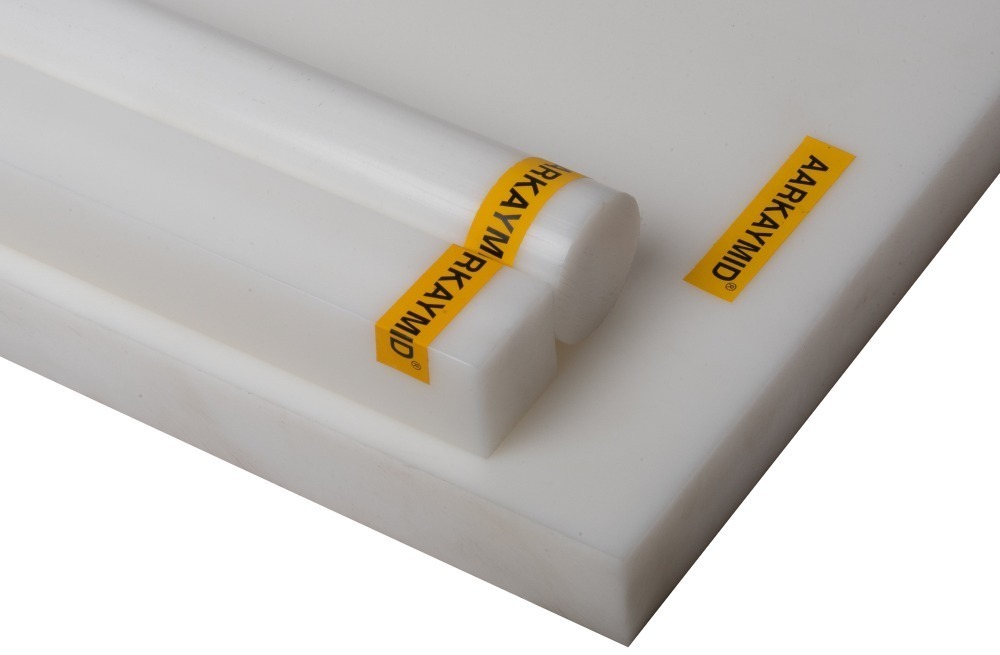
A PVDF Rod may be machined into selected process components, fittings, insulating parts and other engineered elements. Its suitability depends on the particular chemical medium, concentration, temperature and exposure duration.
Chemical compatibility should therefore be evaluated under actual service conditions rather than from a material label alone. A polymer that performs appropriately with one concentration or temperature condition may require further assessment under another.
Mechanical requirements also matter. A chemically resistant component can still experience deformation, wear or dimensional changes if it is subjected to unsuitable loads or operating conditions. The complete duty needs to be considered before specifying the material.
For process and engineering buyers in Ahmedabad, a useful technical enquiry should identify the chemical environment, temperature, component dimensions, mechanical function and expected quantity. Drawings can help establish whether the rod is intended for a simple fabricated part or a precision-machined component.
PVDF can be compared with other engineering polymers when several materials appear technically possible. The objective should be to establish the best fit between required chemical performance, mechanical behaviour, fabrication needs and procurement considerations.
This application-based approach is more reliable than selecting a polymer simply because it is generally described as chemically resistant.
For process-related polymer requirements in Ahmedabad, discuss the chemical environment and component specifications with Classic Polymers & Resins for a focused evaluation.