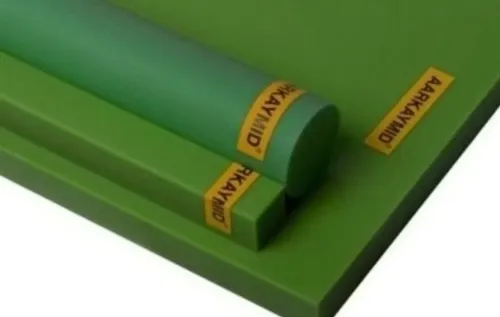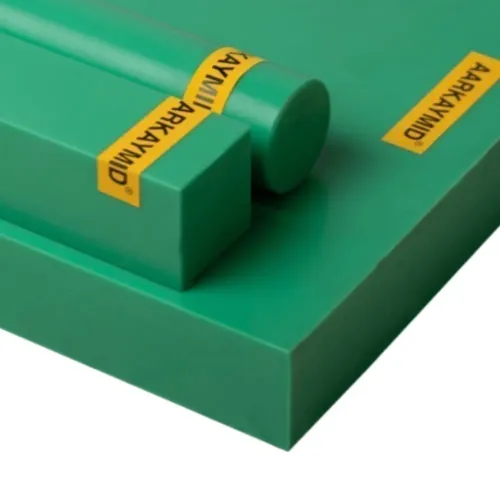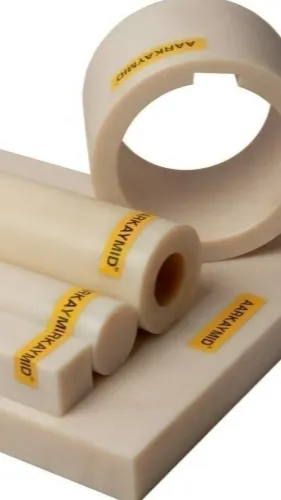

Wear parts need to be evaluated according to how force and movement are actually transmitted through the component. Cast nylon can be useful in applications where mechanical performance and reduced weight are both relevant.
The suitability of Cast Nylon Components depends on factors such as load, contact pressure, movement, impact, temperature and environmental exposure. Typical engineered forms may include rollers, bushes, wear pads, guides and other machined parts.
One useful design consideration is the relationship between component size and applied load. A polymer part should not be evaluated only by comparing its material strength with that of metal. Geometry, support, contact area and loading pattern all influence actual service performance.
Moisture can also be relevant to nylon-based materials. Applications exposed to changing environmental conditions may require designers to consider dimensional behaviour when establishing clearances and tolerances.
For maintenance and manufacturing teams in Chennai, the reason for replacing an existing component can provide valuable selection information. If the original part failed through wear, deformation, impact or dimensional change, identifying that failure mechanism helps determine what properties the replacement material must improve.
Cast nylon can offer useful advantages in selected mechanical applications, but it is not automatically suitable for high-temperature or chemically demanding service.
A replacement decision is strongest when it starts with the observed failure mode and then works backward to the required material properties.
For cast nylon replacement requirements in Chennai, share the component history and operating conditions with Classic Polymers & Resins for a more informed assessment.