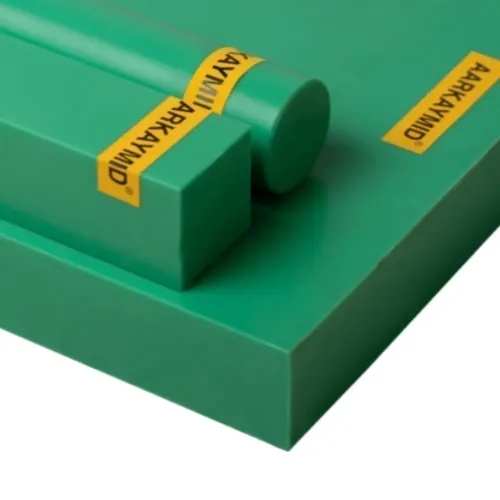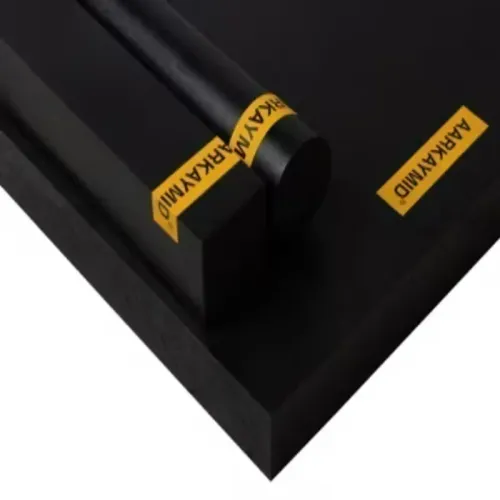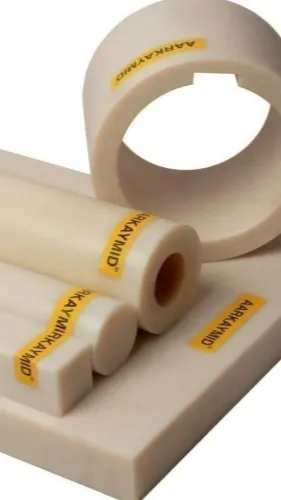

Polymer replacements for metallic parts can influence component weight, friction, wear and maintenance requirements. Cast nylon may be suitable where its mechanical characteristics align with the machine's operating conditions.
The selection of Cast Nylon Components should consider load, movement, contact pressure, impact, temperature and environmental exposure. Rollers, bushes, guides and wear pads may each need a different evaluation.
Replacing an existing metal part also requires more than copying its dimensions. Polymer behaviour under load can differ significantly from metal, so support conditions, contact area, clearances and geometry should be reviewed.
Moisture is another relevant consideration for nylon-based materials because environmental exposure can affect dimensional and mechanical behaviour. This can matter when the component operates with close clearances.
For maintenance teams and equipment manufacturers in Hyderabad, the previous component's failure mode can provide valuable information. Excessive wear, deformation, impact or dimensional change each point toward different material-selection priorities.
Cast nylon may be useful for selected mechanical applications, while higher-temperature or chemically demanding duties may justify comparison with other engineering plastics.
A replacement material should therefore be chosen by identifying the original component's operating problem and matching the new material's properties to that problem.
For machinery replacement-part requirements in Hyderabad, discuss the existing component and service conditions with Classic Polymers & Resins for a practical material assessment.