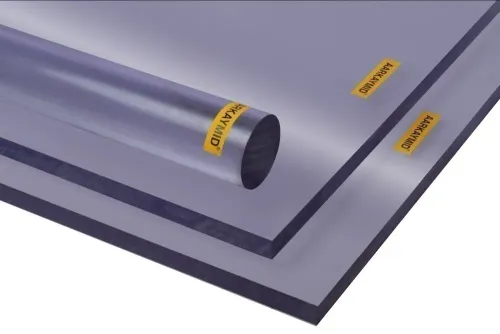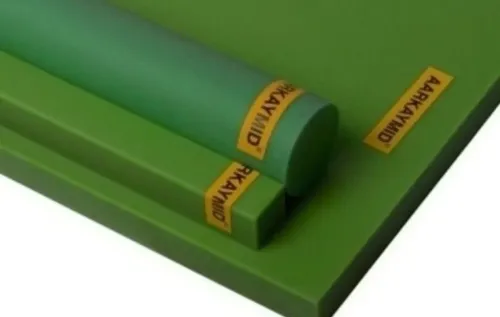

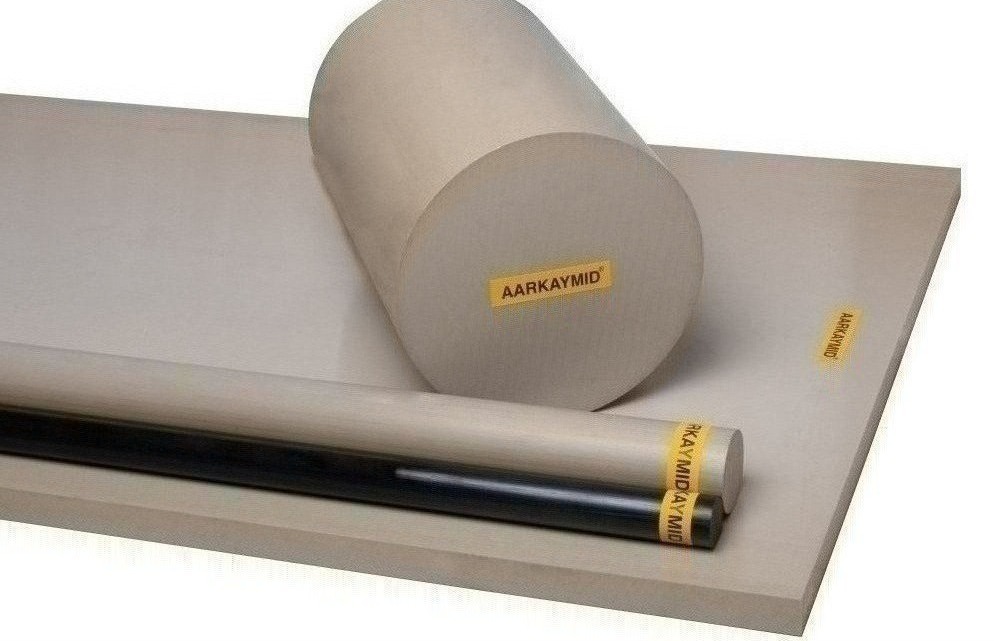
Nylon rods can provide a practical starting material for machined mechanical parts, but designers should account for environmental exposure and the specific function of the finished component.
When selecting Nylon Rod, engineers should consider the intended geometry, load, movement, temperature, moisture exposure and tolerance requirements. Bushes, rollers, spacers and guides may place substantially different demands on the material.
Moisture absorption is an important consideration because it can affect dimensions and mechanical characteristics. This becomes particularly relevant for components with close fits or applications where environmental conditions vary during service.
Machining requirements should also be reviewed. Thin sections and precision features may require more careful manufacturing control than robust geometries. The raw rod should therefore be considered in relation to the final component rather than as a standalone stock product.
For manufacturers and procurement professionals in Mumbai, a useful material enquiry includes rod diameter, length, finished-part drawing, tolerances and service environment. Details about speed and loading are also valuable for moving components.
Nylon may offer a useful balance of mechanical performance, weight and machinability in suitable applications. However, higher temperatures, demanding chemical exposure or stringent dimensional requirements may justify evaluating other engineering plastics.
The practical selection principle is simple: specify the rod according to what the finished component must withstand.
For machined nylon requirements in Mumbai, provide the finished-part details and operating conditions to Classic Polymers & Resins for application-led guidance.