
Some engineering applications demand polymer materials that can maintain useful performance under combinations of temperature, mechanical loading and chemical exposure. PEEK is considered when conventional engineering plastics may not provide the required performance margin.
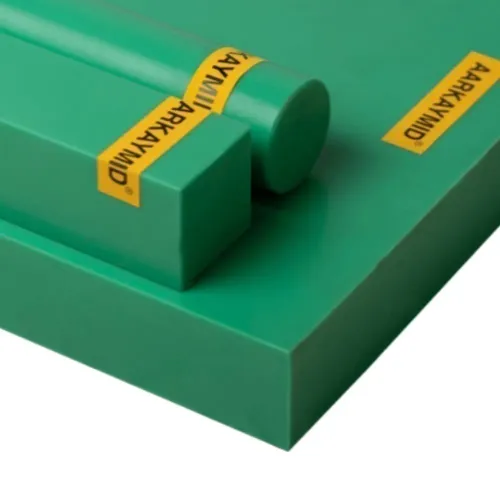
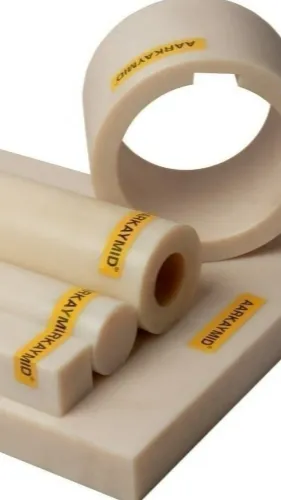
The primary value of PEEK Rod lies in its combination of high-performance characteristics rather than any single property. It can be machined into bushes, rings, seals, spacers and other precision parts where demanding operating conditions justify its use.
The first question should be whether the application genuinely requires those capabilities. A component exposed to elevated temperatures and mechanical stress may warrant PEEK evaluation, while a lightly loaded component operating under moderate conditions may not benefit enough to justify the additional material cost.
Designers should assess continuous operating temperature, mechanical loading, friction, chemical exposure and dimensional requirements together. Component geometry also influences how a polymer behaves under service conditions.
For engineering teams and procurement professionals in Ahmedabad, drawings accompanied by operating parameters can make technical evaluation considerably clearer. Stating the reason for considering PEEK—such as temperature, chemical exposure or mechanical requirements—also helps focus the material discussion.
Cost should be evaluated in relation to the performance actually required. Selecting a high-performance polymer without a defined engineering reason can result in unnecessary expenditure, while selecting a lower-grade material for a demanding application can create premature replacement or reliability concerns.
A disciplined specification therefore begins with service conditions rather than material preference.
For high-performance polymer requirements in Ahmedabad, provide the component drawing and operating parameters to Classic Polymers & Resins for a suitability-focused discussion.