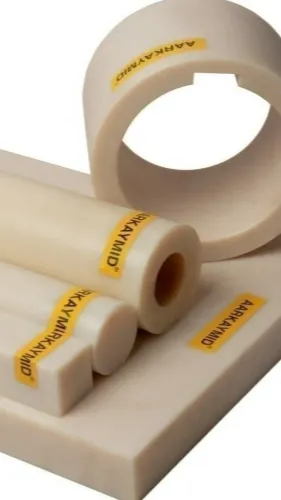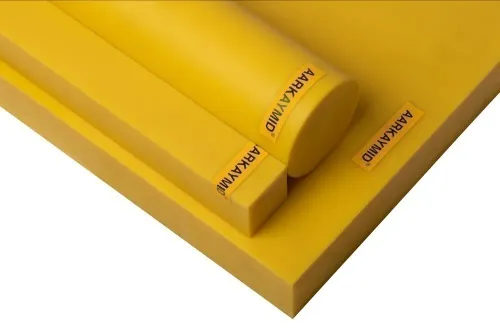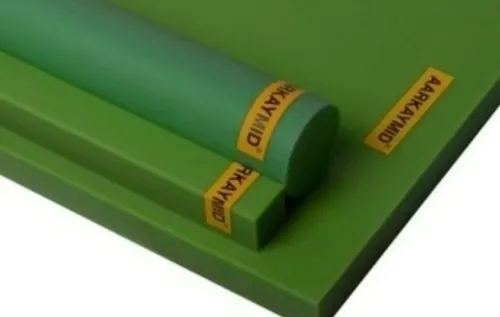

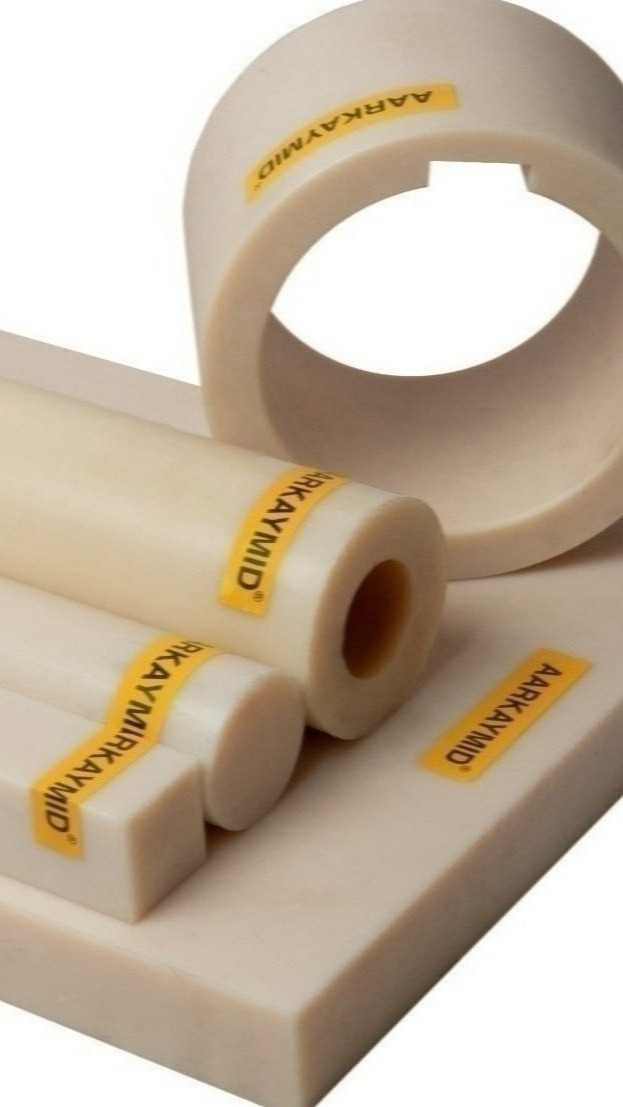
Engineering plastics are often selected when a component needs a balance of mechanical performance, dimensional control, low friction, wear resistance or chemical compatibility. The material should be chosen according to the component's actual operating conditions.
Engineering Plastic Components can include bushes, rollers, guides, spacers, seals, wear parts and insulating components. Although these parts may look similar from a procurement perspective, their engineering requirements can be very different.
A rotating bush, for example, may require careful consideration of friction, contact pressure, shaft interaction and operating temperature. A stationary spacer may instead prioritise dimensional stability and mechanical strength. Identifying the primary function helps narrow the appropriate polymer family.
For manufacturers and engineering teams in Bangalore, technical drawings can make component discussions more precise. Dimensions, tolerances, operating temperature, loading, movement and environmental exposure can help determine which material characteristics matter most.
PEEK, POM, nylon, PTFE, PVDF and UHMWPE each provide different combinations of properties. Selecting a material simply because it is commonly used for a particular component can therefore overlook application-specific requirements.
Material substitutions should also be evaluated against the original engineering requirement rather than availability alone.
A function-led specification can help engineering and procurement teams reduce unnecessary iterations and make material decisions with greater confidence.
For custom polymer component requirements in Bangalore, share the component drawing and service conditions with Classic Polymers & Resins for an application-focused material discussion.