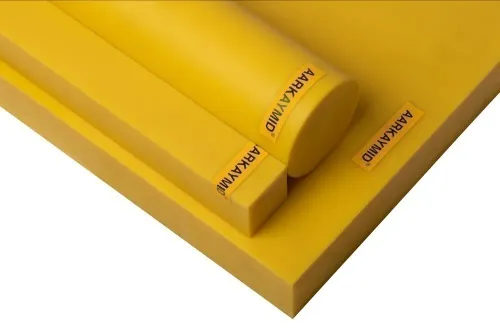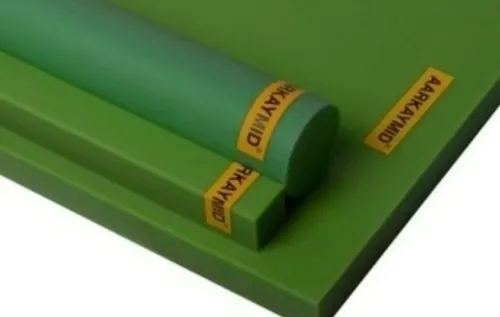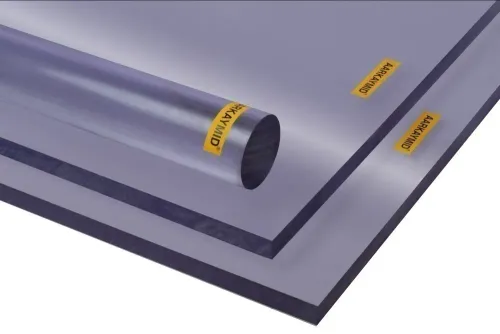

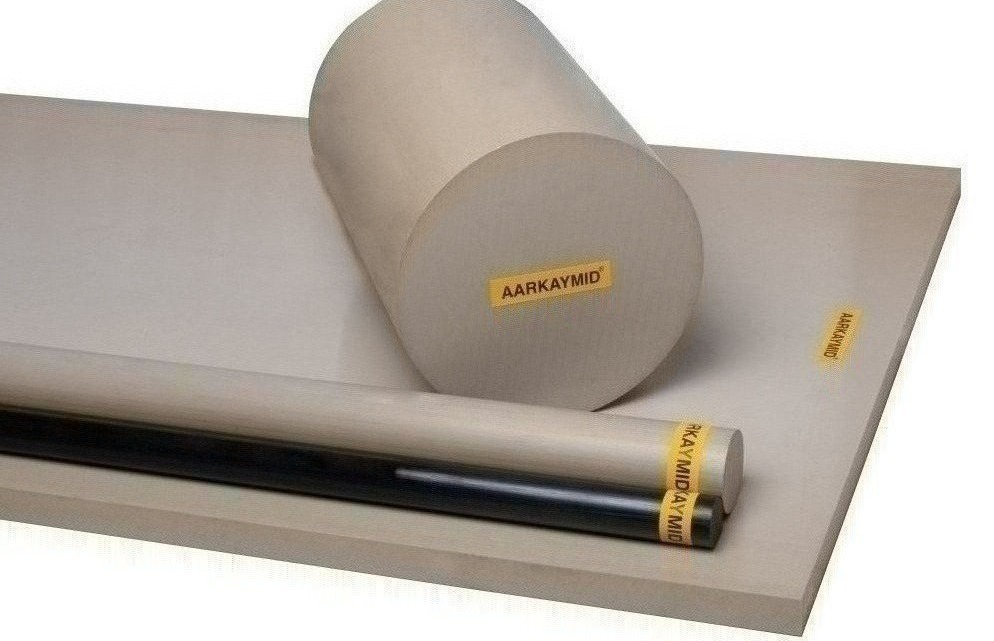
Nylon Sheet remains one of the most practical engineering materials available for industries looking to balance durability, machinability, and affordability. Despite the arrival of several advanced polymers in recent years, nylon still finds its place in countless applications—and honestly, there's a reason engineers keep coming back to it.
Walk through manufacturing facilities around Bengaluru's Peenya Industrial Area or Bommasandra, and you'll notice equipment fitted with wear pads, gears, bushings, and sliding components produced from nylon-based materials. These applications demand consistent performance under repetitive mechanical stress, often in environments where lubrication options are limited.
One advantage frequently highlighted by maintenance teams is nylon's excellent abrasion resistance. Components fabricated from Nylon Sheet can withstand significant wear while helping reduce operational noise compared to metallic alternatives. In processing plants, packaging systems, and textile machinery, quieter operation often contributes to improved workplace comfort as well.
Another interesting factor is versatility. Fabricators regularly source Nylon Rod, Nylon Tube, and sheets together because different equipment sections require varying profiles. Rods are ideal for turning custom bushings and rollers, while tubes support lightweight structural assemblies or specialized fluid transfer requirements.
Questions from buyers tend to sound familiar.
Will nylon absorb moisture?
Can it maintain dimensional stability?
How easy is machining?
The answers depend on grades and operating environments, but modern engineering-grade nylon products generally perform well when selected correctly for intended applications. Material consultation, therefore, becomes just as important as the product itself.
Classic Polymers & Resins works closely with industrial customers seeking dependable engineering plastic solutions. Understanding operational challenges helps simplify procurement decisions, especially when downtime carries significant production costs.
As industries increasingly prioritize efficiency, replacing heavier metal components with carefully chosen polymer alternatives continues to make practical sense. Nylon may not always attract headlines like newer high-performance materials do, yet its reliability has helped maintain its relevance for decades.
Sometimes, proven materials stay popular simply because they keep doing their job exceptionally well.Businesses evaluating component upgrades or redesign opportunities may find it worthwhile to revisit nylon's capabilities before assuming more complex solutions are necessary.
If you're reviewing material options for wear-resistant industrial components, speaking with the team at Classic Polymers & Resins can help simplify the selection process and support better-performing designs.