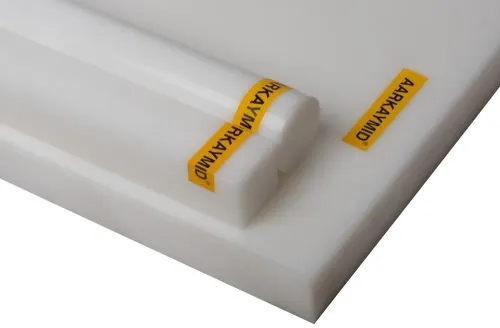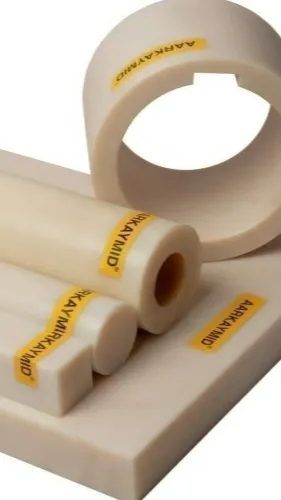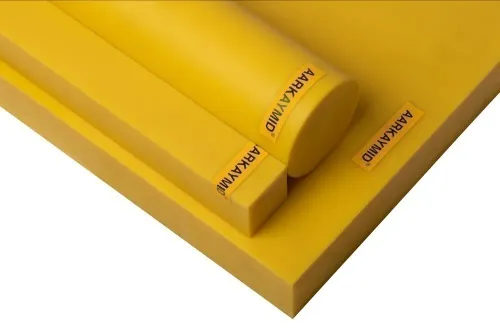

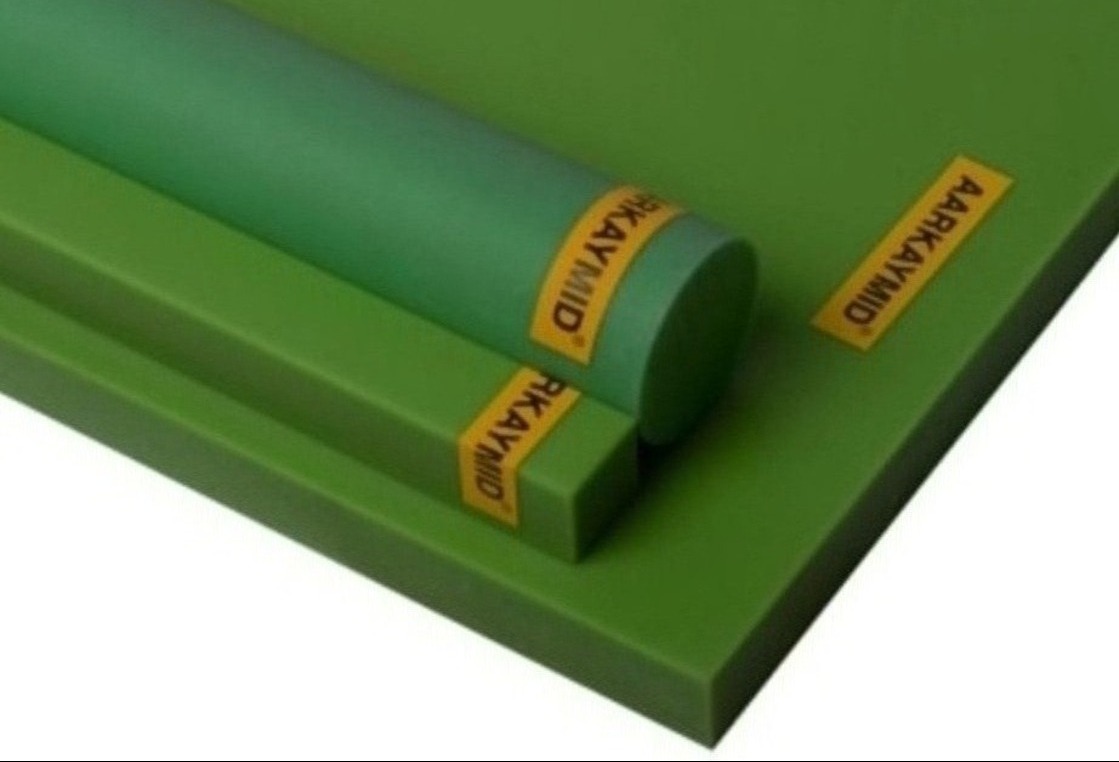
Delrin Rod has steadily earned recognition among manufacturers that require precision, stiffness, and low-friction performance from engineering plastics. While many industries traditionally depended on machined metals for intricate components, Delrin offers an alternative that can simplify production without sacrificing functionality.
Bengaluru's engineering ecosystem has evolved rapidly in recent years. Startups developing robotics, automation integrators, electronics manufacturers, and machine builders increasingly seek materials capable of supporting tighter tolerances and smoother motion characteristics.
This is where Delrin Rod becomes particularly interesting.Known for excellent machinability, Delrin allows fabricators to create highly accurate parts with minimal finishing requirements. Gears, valve components, rollers, bearings, and conveyor system elements are common examples. The material's natural lubricity also contributes to reduced friction, which can enhance equipment efficiency over time.
Many product development teams prefer working with a combination of Delrin Sheet and Delrin Tube alongside rods to accommodate varying component geometries. Sheets can be cut into custom support structures or machine guards, while tubes provide lightweight options for specialized industrial assemblies.
Another reason Delrin remains relevant is moisture resistance. In environments where dimensional consistency matters, materials that absorb significant moisture may create challenges during operation. Delrin performs reliably under many such conditions, making it suitable for applications requiring predictable mechanical behavior.
Procurement managers often ask whether switching from metal to engineering plastics justifies the investment. The answer depends on operating conditions, but benefits such as corrosion resistance, weight reduction, easier machining, and lower maintenance demands frequently support the transition.
Classic Polymers & Resins continues to observe growing interest in engineering plastic materials as manufacturers pursue smarter production strategies. Rather than viewing polymers as substitutes, many businesses now recognize them as purpose-built solutions designed to improve overall equipment performance.
Material selection rarely follows a universal formula. Every application carries unique expectations, operating temperatures, load requirements, and environmental considerations.Still, asking a simple question can lead to better outcomes: Is there a material that could perform equally well while reducing maintenance and improving efficiency?
For many engineers today, Delrin is increasingly becoming part of that conversation.