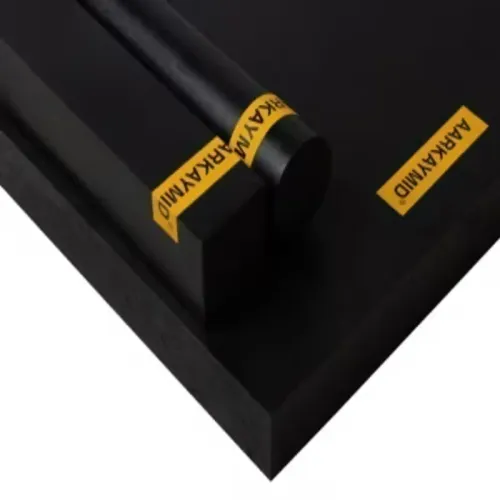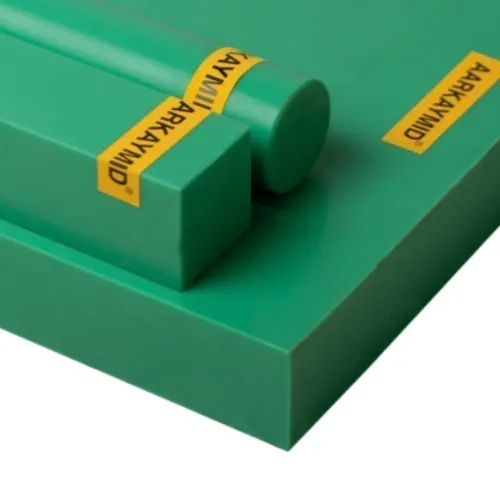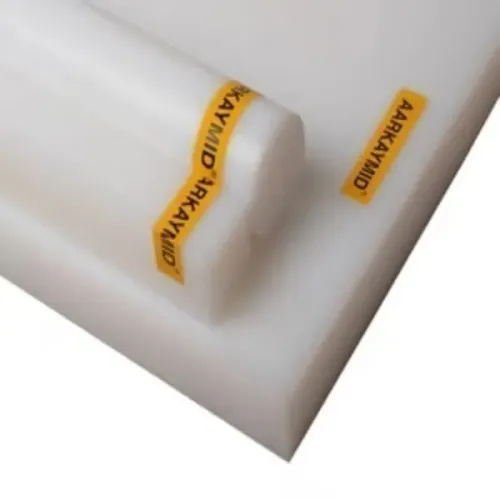

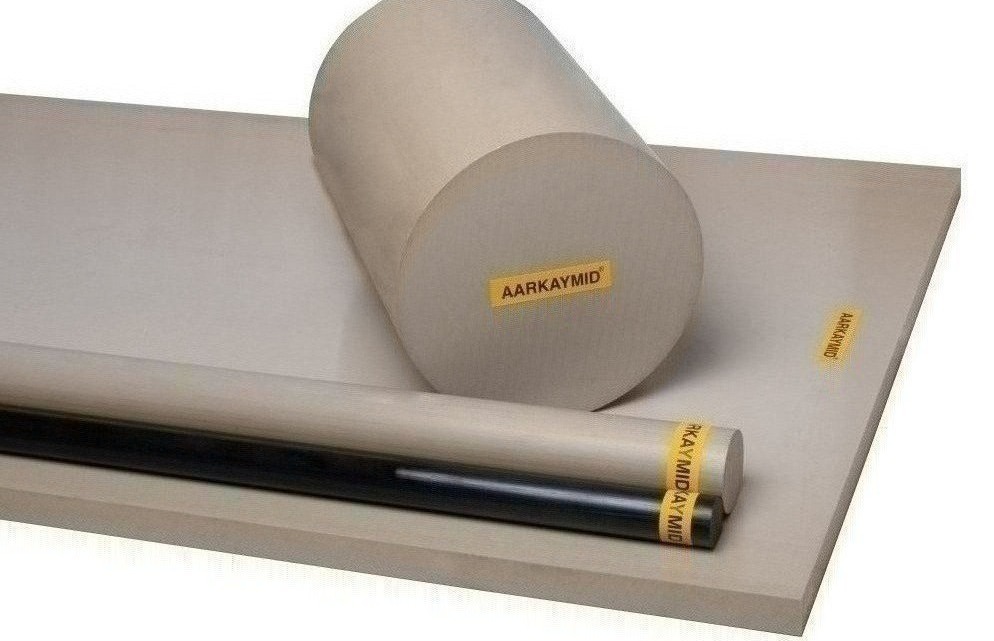
Nylon can be used for a variety of machined engineering parts, but its environmental behaviour should be considered when the finished component requires controlled dimensions.
When selecting Nylon Rod, engineers should assess the final component's function, load, movement, temperature, moisture exposure and tolerance requirements.
Bushes, rollers, guides and spacers can all be machined from rod, yet each may require different material considerations. A moving bush may prioritise friction and wear, while a close-fitting spacer may place greater emphasis on dimensional behaviour.
Moisture absorption is particularly relevant to nylon because it can influence dimensions and certain mechanical characteristics. This should be considered when the component operates in changing humidity or moisture conditions.
Machining requirements also depend on geometry. Thin sections, deep features and tight tolerances may require more controlled manufacturing than straightforward shapes.
For manufacturers and procurement teams in Bangalore, providing the finished-part drawing alongside rod dimensions can improve material and machining discussions. Operating temperature, load and environmental conditions add further context.
Nylon can offer a practical balance of mechanical performance, weight and machinability for suitable applications. More demanding temperatures, chemical environments or dimensional requirements may justify evaluating other engineering plastics.
The rod should therefore be specified based on what the finished part needs to withstand.
For machined nylon requirements in Bangalore, share the component drawing and service conditions with Classic Polymers & Resins for application-led guidance.