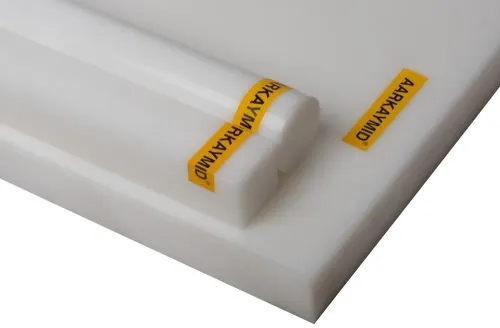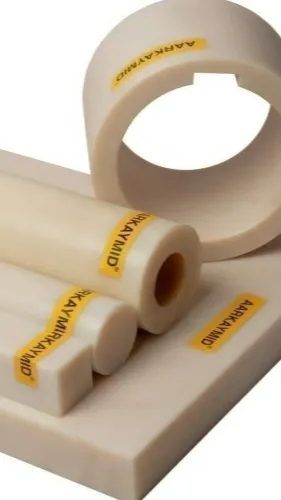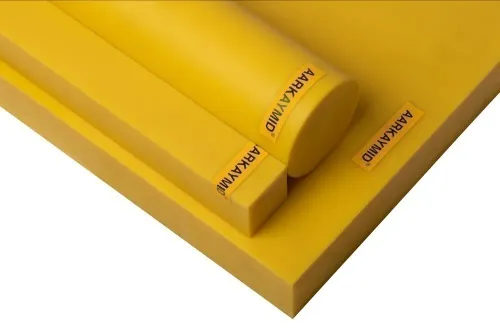

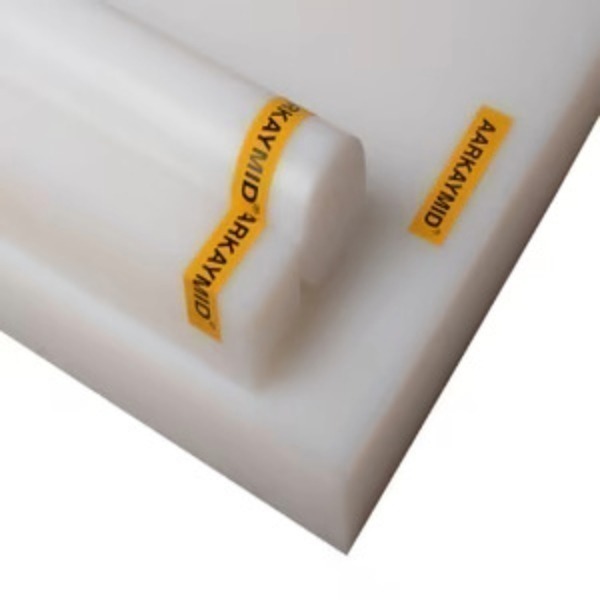
Moving machine parts require controlled interaction between surfaces, especially when they operate repeatedly. POM can be considered where low friction, stiffness, machinability and suitable wear behaviour are relevant.
The application of POM Components varies considerably according to the finished part. Gears, bushes, rollers, guides and spacers may all use POM, but each component experiences different forces and movement.
Gears can involve repeated tooth loading, speed and sliding contact. Bushes may be influenced more by contact pressure, shaft interaction and friction. Guides can prioritise smooth movement and dimensional control.
POM's combination of mechanical stiffness and friction characteristics can make it useful for selected precision components. Nevertheless, temperature, load and environmental conditions should be reviewed before finalising the material.
For machinery manufacturers in Bengaluru, drawings can help communicate geometry, dimensions and tolerances. Operating speed, load, temperature and mating-material information can further improve the technical assessment.
Where chemical exposure, temperature or friction requirements fall outside the application's suitable range, other engineering plastics may warrant comparison.
A useful selection process identifies the component's dominant requirement first and then evaluates candidate materials against that requirement.
This approach can help prevent standardising one polymer across components that actually have different operating duties.
For precision moving-part requirements in Bengaluru, discuss the component function and service conditions with Classic Polymers & Resins for an application-specific POM evaluation.