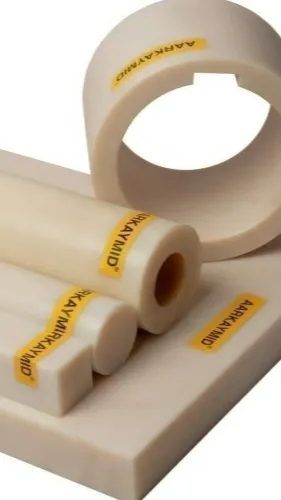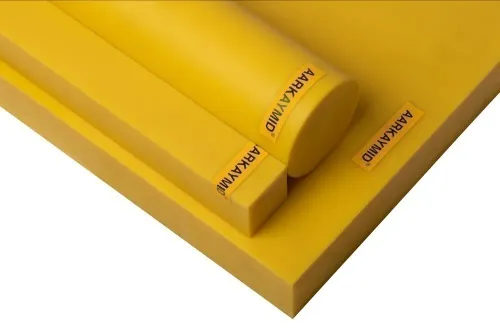

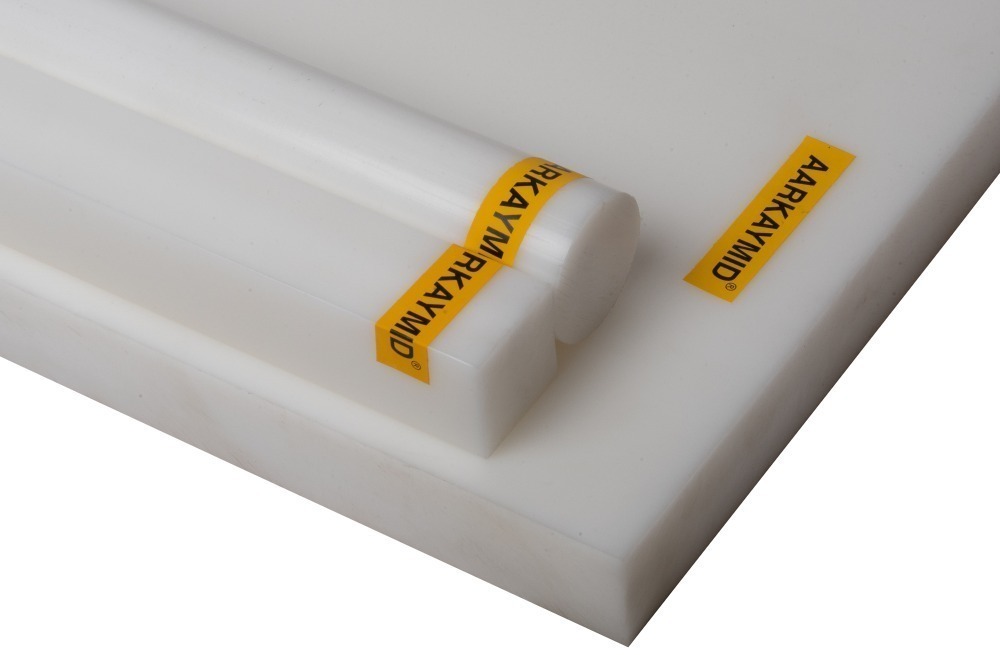
Chemical exposure requires material selection based on actual process conditions rather than broad assumptions about chemical resistance. PVDF can be considered when chemical compatibility is an important engineering requirement.
A PVDF Rod may be machined into selected process components, fittings, insulating parts and other engineered elements. Its suitability depends on the chemical medium, concentration, temperature and exposure duration.
Mechanical conditions should be evaluated alongside chemical exposure. Load, movement, dimensional requirements and component geometry can influence how the finished part performs even when the surrounding chemical environment is suitable.
For process-equipment manufacturers and procurement teams in Bangalore, a technical enquiry should ideally identify the process medium, operating temperature, component function, dimensions and expected quantity. A drawing can provide additional information about geometry and tolerances.
PVDF may be appropriate in applications where its combination of chemical and engineering characteristics meets the required duty. However, alternative polymers should be considered where different mechanical, thermal or friction properties are more important.
The objective is not simply to choose a polymer described as chemically resistant. It is to establish whether that material remains appropriate under the complete service conditions.
Application-specific evaluation can reduce the risk of choosing a material based on a single property.
For chemically demanding component requirements in Bangalore, discuss the process environment and component design with Classic Polymers & Resins for a focused evaluation.