
A cracked, swollen or leaking glass-filled nylon tube is not automatically a candidate for patching: the visible defect may reflect hidden crushing, moisture-driven dimensional change, fibre orientation or chemical attack. By the end, you will be able to triage the failure, measure the damage, decide whether repair is safe, and prevent the same part problem from returning.
Key takeaways
- Make the line safe before removing a failed tube.
- Measure bore, wall, ovality and crack location before choosing a cause.
- Replace tubes with fibre exposure, splits or permanent swelling.
- Qualify the replacement against temperature, chemicals, pressure and load direction.
Start with the failure symptom and make the line safe
A longitudinal crack, circumferential split, pinhole, swelling, oval bore, fibre exposure or brittle fracture signals a different failure path than a leak at the fitting.
Record the immediate pattern before touching the part: a crack along the tube can indicate hoop stress, machining damage or vacuum collapse; a split around the circumference points toward axial loading, bending or a sharp support; swelling suggests moisture, chemical attack or overheating.
These are the first clues in reinforced nylon tube failures and nylon tube part problems.
1. Stop the pump, pressure source and heating equipment. Isolate the section, depressurise it to zero, drain trapped fluid and vent vacuum before loosening a fitting. Wear protection suited to the fluid; a cracked tube can release stored pressure without warning.
2. Photograph the entire assembly, then take close images of the crack, leak track, fitting, support points and any discoloured or exposed glass fibre. Place a scale beside each defect without scraping, bending or cleaning the surface.
3. Record the service fluid, temperature, pressure, vacuum level, pressure-cycle history, installation date and suspected impact or overtightening. Note whether the leak occurred at startup, during cycling or after shutdown.
4. Mark the tube’s orientation and remove it only after tagging the fittings and supports. Seal and label the failed part with its batch or job number; retain any fragments and contamination for examination.
Do not sand, glue, heat-weld, clamp or pressure-test the damaged tube as a quick fix. Preserve the original evidence, including mating fittings and seals, until dimensional and material checks establish whether the failure is safe to repair.
Map the symptom to the cause with dimensional checks
Match the failure pattern to measurements, then test the most likely load path. A useful polyamide glass filled troubleshooting record compares the failed part with an unused part from the same grade and measures bore, outside diameter, wall thickness, ovality and thread dimensions.
- A longitudinal crack points to hoop stress from pressure, a tight fitting, impact or a notch; measure the bore at the crack and inspect tool marks, thread roots and clamp contact.
- Circumferential splitting points to axial loading, inadequate support, pressure cycling or thermal movement; check the support spacing and compare the fracture location with fitting shoulders.
- Leakage at a fitting points to excessive installation torque, ovality, a distorted thread or moisture-driven dimensional change; measure the mating parts at service temperature and humidity.
- Swelling, ovality or permanent deformation points to hot water, steam, absorbed moisture, vacuum collapse or sustained load; record temperature, pressure, exposure time and the conditioned dimensions.
- Pinholes, fibre exposure or a smeared bore point to machining damage; inspect under magnification and check tool diameter against its wear limit. Dull tools can pull glass fibres out and leave the bore wrong after cooling.
Check chemical exposure against the exact polyamide grade and glass-sizing system. Strong acids, strong alkalis, oxidizers, phenols, halogenated fluids and zinc-chloride solutions can promote attack or stress cracking. Qualify the part wet, using the actual chemical concentration, pressure and temperature; a dry-room strength value cannot clear a wet-service failure.
Decide whether the tube is repairable or must be replaced
A tube with a through-wall crack, pinhole, swelling, delamination, exposed fibres, permanent ovality, or brittle fracture is a replacement candidate, not a patching job. Replace it when pressure, vacuum, cyclic loading, chemical exposure, or fitting load reaches the damaged zone; a clamp can hide leakage while the crack grows underneath.
Reject these shortcuts for pressure, vacuum, or load-bearing service:
- An adhesive patch over a crack or pinhole, unless drying, abrasion, primer, bond-line thickness, ageing, and chemical exposure have been qualified for that nylon grade.
- A sleeve or clamp over a split, oval tube, or damaged sealing land; it cannot restore the original wall or stop creep under sustained compression.
- Cyanoacrylate or epoxy chosen from a short pull test. Nylon absorbs moisture, and the bond can fail by peel, creep, or water-assisted debonding.
- Heat welding or hot-air fusion without a written process qualification. Excessive heat degrades polyamide; insufficient pressure or incompatible filler creates a weak interface.
- A threaded insert installed in a cracked or thin wall. Use one only with adequate remaining material and a designed metal load path.
A superficial machining mark outside the pressure wall may be repairable after inspection. A qualified glass filled nylon tube repair requires the failed part, grade and glass-sizing information, service temperature, pressure history, and fitting details.
Dry and clean the material, verify wall dimensions, qualify the welding or bonding process, and pressure-test the finished repair in both hoop and axial directions. That is the practical glass filled for nylon tube problem solution—not a cosmetic seal.
Choose the replacement grade and qualify its real service direction
Do not order a replacement from the words “glass-filled nylon” alone. Confirm the exact polymer family—PA6, PA66, PA12 or a copolyamide—the glass content, moisture condition, and any heat stabiliser or impact-modifier designation. These choices change moisture uptake, stiffness, chemical resistance, weldability and service-temperature limits.
Request these records from the maker or supplier:
- Manufacturing route: extruded, cast, compression-moulded or injection-moulded, including fibre orientation and machining allowance.
- Finished bore, outside diameter, wall thickness and tolerances measured after conditioning at the service temperature and humidity.
- Chemical-compatibility data for the actual nylon and glass-sizing system, especially with acids, alkalis, oxidisers, phenols, halogenated fluids and zinc chloride.
- Test results on the finished tube, not only a flat tensile coupon: leak pressure, burst pressure, pressure-cycle life, vacuum-collapse resistance, and tensile checks in both hoop and axial directions.
| Evidence to compare | Why it matters | Qualification check |
|---|---|---|
| Polymer and additive designation | Determines swelling, creep and temperature capability | Match the failed part’s service exposure |
| Glass percentage and route | Controls directional strength, shrinkage and thermal movement | Test the real tube orientation |
| Moisture condition | Changes bore, threads and sealing dimensions | Condition replacement and fitting together |
For a glass filled for nylon tube problem solution, ask Classic Polymers & Resins to state the grade, route and conditioning basis on the quotation, not merely “glass-filled nylon.” A pressure tube that passes axial tension can still split along its hoop direction.
Related products
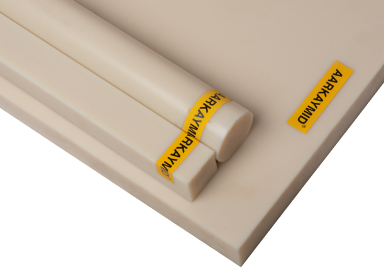 | Polyamide Glass Filled Cast Polyamide 6 (Cast Nylon 6 or PA 6) is one of the most versatile thermoplastics. View product → |
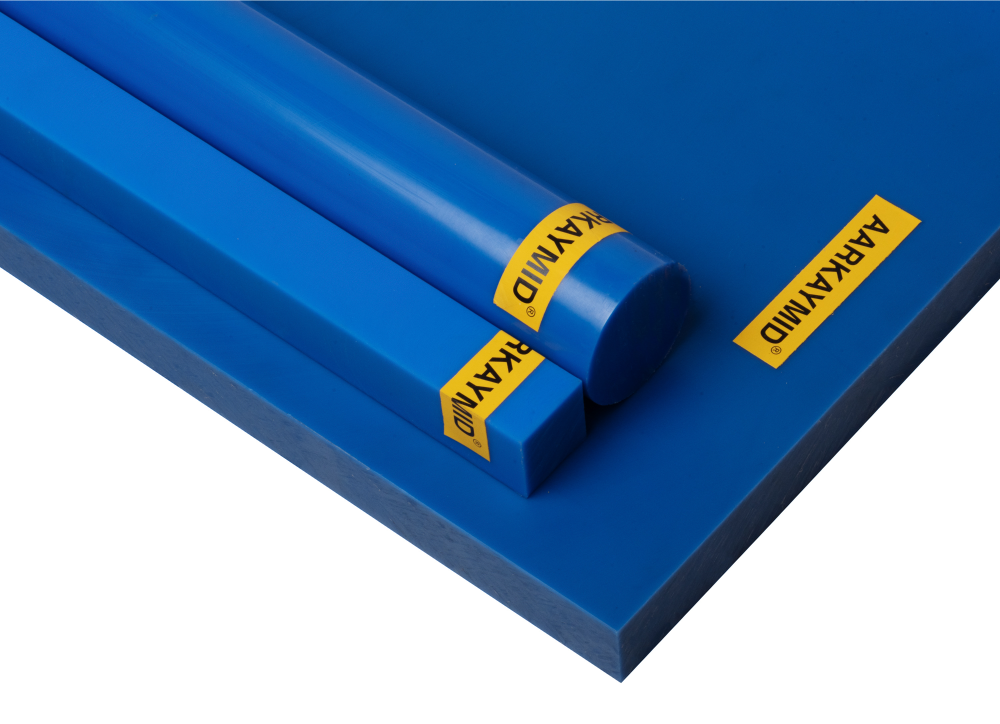 | Polyamide - Cast Heat Stabilised Grade Polyamide - Cast Heat Stabilised Grade Cast Polyamide 6 (Cast Nylon 6 or PA 6) is one of the most versatile thermoplastics. View product → |
Install the replacement so the failure does not return
Install the replacement without repeating the load path that caused the nylon tube part problems. Match the tube’s moisture condition, temperature, and dimensions to service before assembly; dry-machined polyamide can change bore, wall, and thread fit after absorbing water.
Control the installation at these points:
- Use a positive elastomer seal on a supported sealing land. Control compression with the fitting manufacturer’s dimensions instead of forcing thread interference or relying on a thin adhesive film.
- Support the tube close to fittings and along unsupported spans. Prevent vibration, vacuum collapse, impact, and bending loads from reaching the sealing joint.
- Allow axial and radial thermal movement with guided supports, a compliant section, or a deliberate expansion gap. A rigid clamp can turn thermal growth into cracking.
- Machine with a close-fitting mandrel or sacrificial internal support. Check the finished wall for thinning, lobing, scratches, and sharp tool marks before installation.
- Qualify the actual processing direction. Test both hoop and axial performance because glass fibres create directional strength, stiffness, shrinkage, and thermal expansion.
Do not accept one hydrostatic proof test as validation. Cycle the assembled part with its actual fittings through the minimum and maximum service temperatures and pressure or vacuum limits, then inspect for leakage, permanent deformation, and crack growth. This exposes delayed reinforced nylon tube failures caused by creep, fatigue, thermal movement, or fitting stress.
Frequently asked questions
What should you do first when a glass-filled nylon tube fails?
Isolate pressure, temperature and chemical hazards, depressurise the line, and prevent movement before inspecting the tube or fitting.
How can dimensional checks identify the cause of a nylon tube failure?
Measure bore, outside diameter, wall thickness and ovality at failed and unaffected sections, then compare the changes with the crack or leak location.
When is a glass-filled nylon tube repairable?
Replace the tube when it has a longitudinal or circumferential split, pinhole, fibre exposure, brittle fracture or permanent swelling; address a fitting leak only after checking the tube end and seal.
How do you choose and install a replacement glass-filled nylon tube?
Match the grade to temperature, chemicals, pressure and load direction, verify the actual dimensions and fibre orientation, then support the tube and avoid over-tightening fittings.
Related products
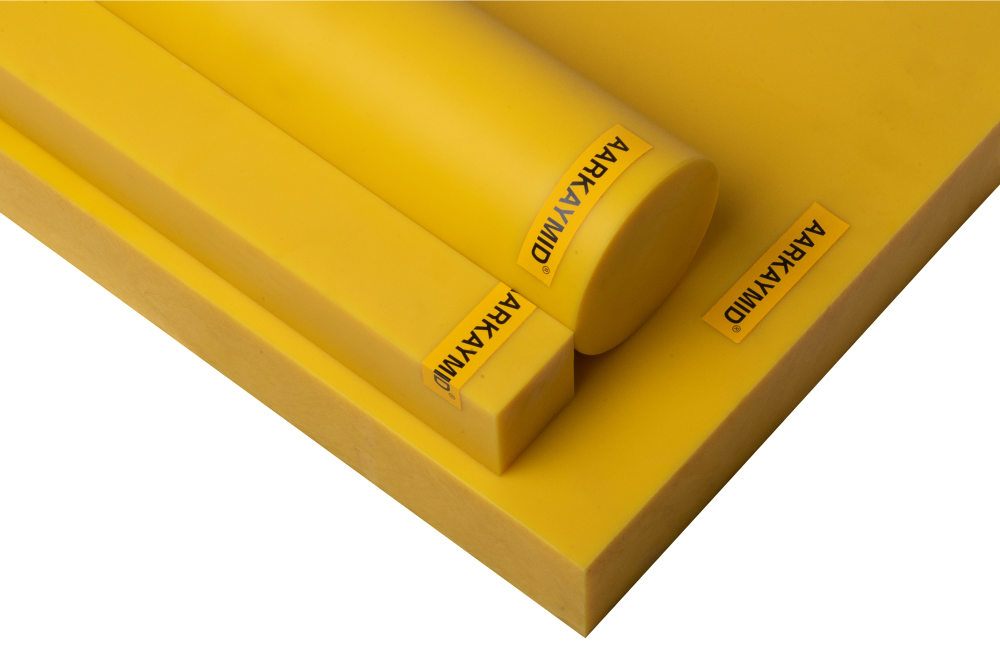 | Polyamide PA 612 Cast Polyamide 6 (Cast Nylon 6 or PA 6) is one of the most versatile thermoplastics. View product → |
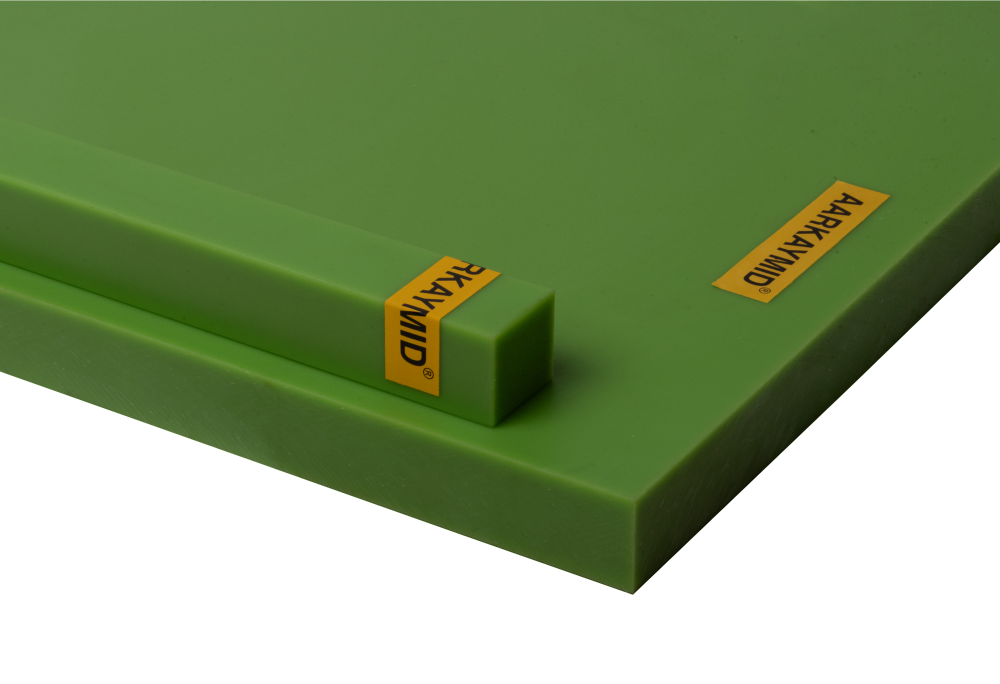 | Polyamide Green Cast Polyamide 6 (Cast Nylon 6 or PA 6) is one of the most versatile thermoplastics. View product → |
 | Polyamide MoS2 Cast Polyamide 6 (Cast Nylon 6 or PA 6) is one of the most versatile thermoplastics. View product → |
 | Polyamide - XLU Cast Polyamide 6 (Cast Nylon 6 or PA 6) is one of the most versatile thermoplastics. View product → |