
Choosing a nylon tube by the word “nylon” or by colour can produce the wrong pressure rating, fit, bend radius or service life. By comparing polymer families, stabilised formulations and manufacturing routes against actual operating conditions, you can specify a tube that remains reliable after moisture, heat, wear and pressure are taken into account.
Key takeaways
- Choose PA6 or PA66 for stiffness; choose PA11 or PA12 for lower moisture absorption.
- Treat colour and trade names as identification aids, not material-grade proof.
- Check pressure at operating temperature, chemical exposure, bend radius and moisture conditions.
- Specify polymer, construction, dimensions, tolerances, additives, tests and documentation before ordering.
Start the nylon tube grade comparison with the polymer family
PA6 and PA66 generally deliver higher stiffness and strength than PA11 and PA12 before modifiers or manufacturing methods enter the decision. PA11 and PA12 absorb less moisture, hold dimensions more reliably and remain more flexible at low temperature.
| Family | General behaviour | Typical selection logic |
|---|---|---|
| PA6 | Higher stiffness and strength; higher moisture uptake | Structural support where rigidity matters |
| PA66 | High stiffness and strength; temperature capability depends on grade and conditioning | Rigid tubing with demanding mechanical duty |
| PA11 | Low moisture uptake, flexible, fuel- and oil-relevant performance | Cold-weather, fuel and flexible routing |
| PA12 | Low moisture uptake, dimensionally stable and flexible | Pneumatic, instrumentation, fuel and humid service |
| PA612 | Lower moisture uptake than standard PA6; balance depends on formulation | Bore size, fit or fluid-handling stability |
Treat PA612 as a lower-moisture alternative to standard PA6, not as an automatic substitute. Require the exact supplier data sheet because formulation and test conditions control the result.
A sound nylon tube grade comparison uses dry-as-moulded, conditioned and service-temperature values. Absorbed water changes dimensions, stiffness, electrical insulation and pressure behaviour; a tube that fits and holds pressure dry can loosen, soften or creep after humid exposure.
Choose higher stiffness for structural support, or lower water absorption and flexibility for pneumatic, instrumentation, fuel and humid service. The nylon tube grade must match the environment, not just its nominal tensile-strength figure.
Separate material grades from colours, names and stabilised formulations
Natural and Green identify appearance, not performance. Black also proves nothing about UV resistance unless the supplier documents carbon-black stabilisation, formulation, dispersion and weathering results for the tube wall.
| Designation | What it tells you | What you must confirm |
|---|---|---|
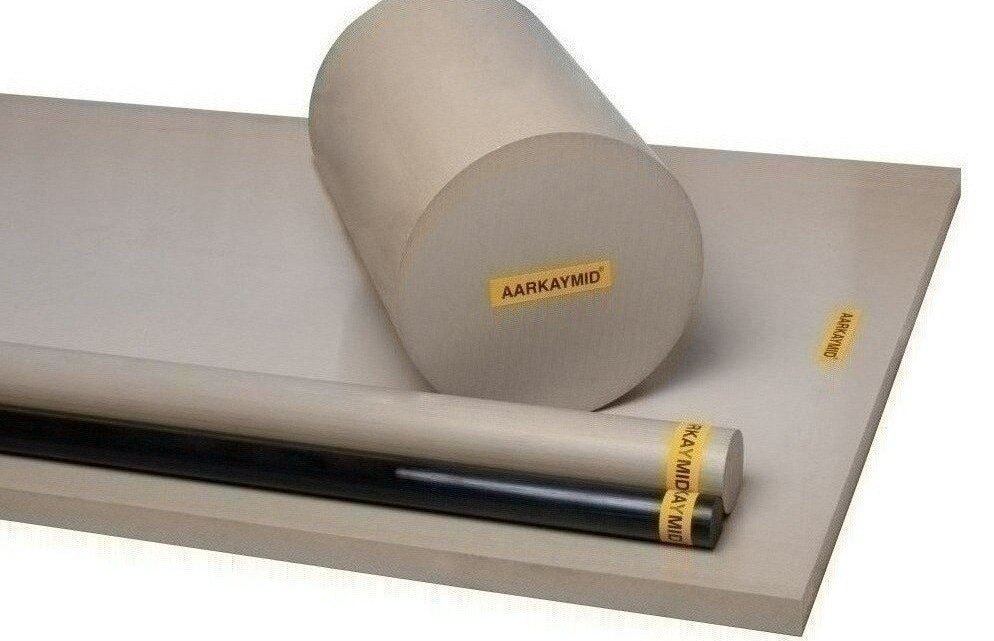
| Natural or Green | Colour or appearance | Base polymer, grade and performance data |
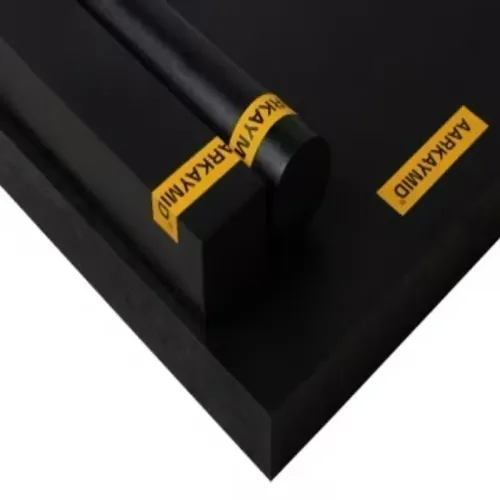
| Black | Pigmented appearance | Carbon-black stabilisation and UV/weathering performance |
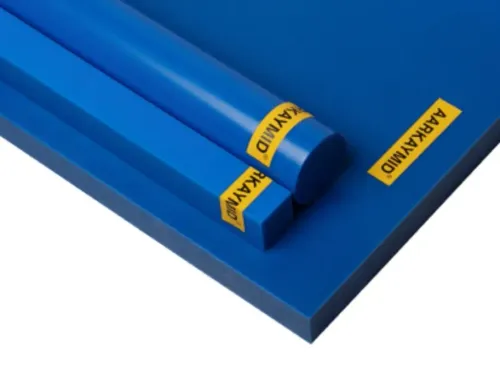
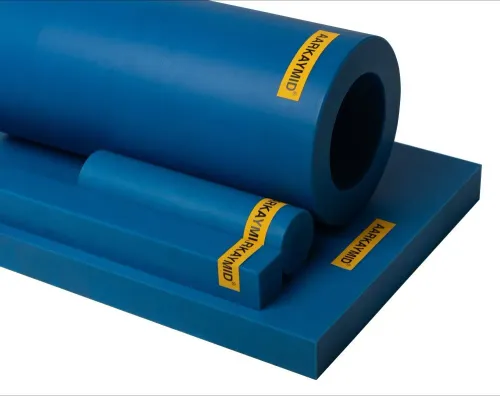
| XLU | Crosslinked polyamide construction | Base polymer, crosslinking method, pressure-temperature curve, chemical limits and joining method |
| Heat-stabilised | Formulated for improved retention at heat | Continuous temperature, short excursions and strength retention at temperature |
| MC-stabilised | Formulated to target friction, load, creep and wear | Supplier formulation, pressure data, impact data and test method |
A polyamide XLU tube is not a universal performance class. Crosslinking can improve creep, stress-cracking, heat and chemical resistance, but it can also prevent heat fusion, flaring or welding; confirm whether mechanical connection is the only permitted joining method.
Specify heat-stabilised nylon only when all three temperature conditions match the duty: continuous operating temperature, short-term excursions and required strength retention at temperature. A room-temperature pressure rating does not survive automatically near the material’s upper limit.
MC-stabilised nylon targets friction, load, creep and wear, but its pressure and impact behaviour belongs to the supplier’s formulation and test method. Treat “MC-stabilised” as a prompt for evidence, not a rating.
Use glass-filled or mineral-filled grades when stiffness and dimensional stability outweigh flexibility. Fillers increase tool wear, anisotropy and bend sensitivity, making tight-radius bending, repeated flexing and machining less forgiving.
- Request the exact nylon tube grade, test conditions and joining instructions.
- Reject colour-based substitutions without UV, pressure and temperature evidence.
Match nylon tube selection to pressure, temperature, chemicals and bending
Choose the grade and dimensions from the complete duty, not from a nominal pressure rating.
- Record minimum and maximum temperature, continuous duty and short excursions. Specify minimum installation temperature separately from operating temperature.
- Record working, burst and impulse pressure, including pulse frequency and duration. Add pressure derating for temperature, moisture conditioning, creep and pulse history; ratings do not transfer between grades or sizes.
- Measure outside diameter, minimum bore, wall thickness, ovality, wall eccentricity and support spacing. These dimensions control flow, sealing and pressure margin.
- Specify minimum installation and operating bend radius, then assess abrasion, vibration, impact and likely kink points.
- Identify the fluid’s concentration, pressure and temperature, not merely its chemical name.
| Grade | Practical advantage | Selection caution |
|---|---|---|
| PA12 or PA11 | Flexible routing and cold-weather performance | Confirm impact data and bend radius at the minimum temperature |
| PA6 or PA66 | Higher stiffness, hardness and short-term temperature capability | Moisture uptake, cold stiffness and larger bend radius can limit use |
Hot water, strong acids, strong bases, oxidisers and polar solvents can cause swelling, hydrolysis, embrittlement or stress cracking. Require compatibility evidence for the actual concentration, pressure and temperature.
For compressed air, fuel and gases, request permeation data. Inspect fitting compatibility, cut-end quality, scratches and flare damage; a damaged end can leak or fail despite a sound tube body. This is the practical core of nylon tube selection for any industrial nylon tube duty.
Account for cast versus extruded tube construction
The manufacturing route can change the correct nylon tube selection even when both products are labelled PA6. Cast PA6 suits large sections, wear-focused parts and stock intended for later machining; extruded PA6 is made to deliver a controlled bore and wall for pressure or fluid tubing.
| Route | Cast PA6 tube | Extruded PA6 tube |
|---|---|---|
| Use | Large sections, wear parts and machining stock | Tubing with defined bore and wall dimensions |
| Dimensions | Broader tolerances and possible wall variation | Tighter bore, outside-diameter and wall tolerances |
| Stress and machining | Lower residual stress can support machining, but machining can release distortion | Residual stress can affect cut ends, machining and dimensional stability |
| Surface and size | Finish and available sizes depend on casting and machining | Consistent internal surface and longer, smaller tubing sizes are practical |
Bore roughness and ovality influence flow, sealing and fitting retention. Wall eccentricity reduces pressure margin on the thin side, while a scored cut end can defeat an otherwise suitable fitting. A useful nylon tube grade comparison therefore requires these inspection questions:
- What are the bore and outside-diameter tolerances?
- What wall-eccentricity limit applies?
- What internal surface-finish value or inspection method is specified?
- What cut-length tolerance applies, and how are ends cut and deburred?
- Do the values apply dry, conditioned or at service temperature?
Turn the comparison into a defensible purchase specification
Approve an industrial nylon tube only after the supplier can map its grade and dimensions to your actual service conditions. A nylon tube grade comparison is defensible when every rating uses the same test method, conditioning state and safety factor—not isolated tensile-strength figures.
| Specification item | State this requirement |
|---|---|
| Base material | Polymer family, exact nylon tube grade and formulation; list colour separately from material identity. |
| Construction | Cast or extruded route, inside and outside diameters, wall thickness, ovality, eccentricity and tolerances. |
| Pressure | Pressure-temperature curve, working-pressure safety factor, and precise burst and impulse definitions. |
| Flexibility | Minimum installation and operating bend radius, support spacing and joining method. |
| Properties | Dry, conditioned and service-temperature mechanical data, including stiffness and pressure retention. |
| Environment | Chemical media, concentration, temperature, exposure time, permeation limits, and UV or weathering requirement. |
| Evidence | Sample, dimensional inspection report, batch traceability, test reports and application-specific compatibility confirmation. |
Do not approve a tube because its tensile strength looks higher. Confirm whether the figure uses ISO or ASTM testing, dry or conditioned specimens, and the same safety factor as the competing data sheet.
Classic Polymers & Resins can help an industrial buyer compare grades, check a tube specification against mechanical, chemical, thermal, wear or insulation demands, and source machined polymer components. Release the purchase only after the sample, dimensional report and compatibility review agree with the specification.
Related products
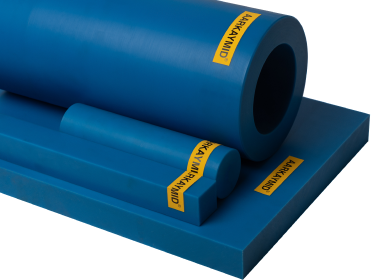 | Polyamide XLU Grade Cast Polyamide 6 (Cast Nylon 6 or PA 6) is one of the most versatile thermoplastics. View product → |
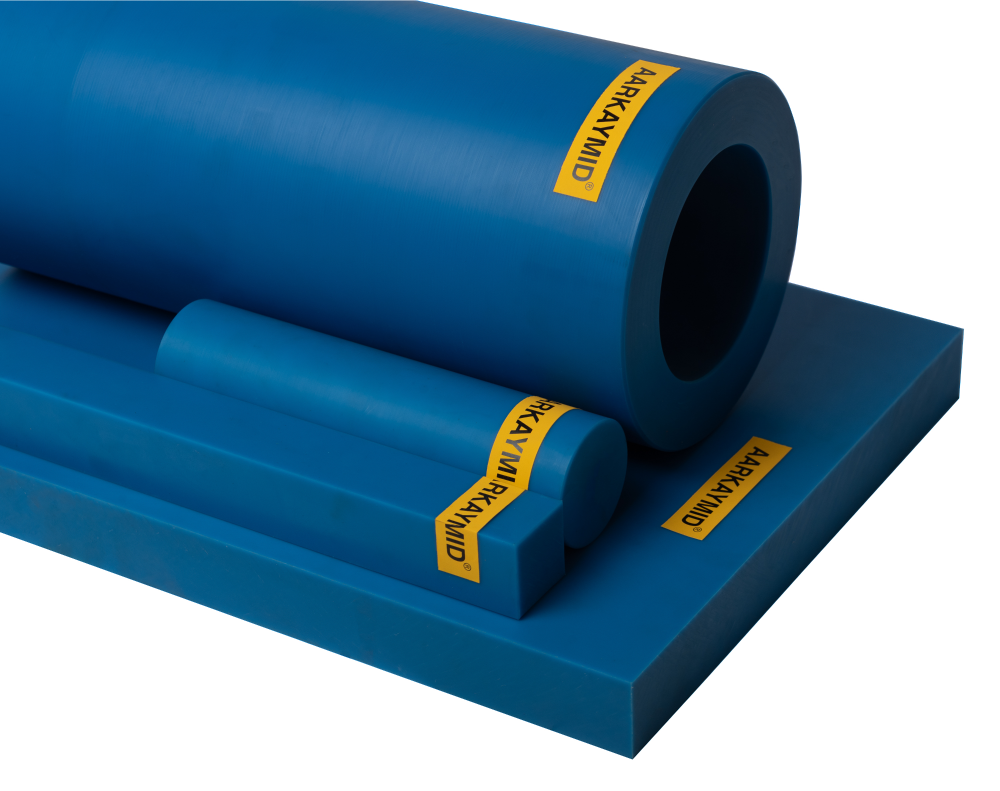 | Polyamide - XLU Cast Polyamide 6 (Cast Nylon 6 or PA 6) is one of the most versatile thermoplastics. View product → |
Frequently asked questions
How do PA6, PA66, PA11 and PA12 differ in nylon tube selection?
PA6 and PA66 provide higher stiffness and strength, while PA11 and PA12 absorb less moisture, hold dimensions better and remain more flexible at low temperature.
Does nylon tube colour identify its material grade?
No. Colour does not prove the polymer family, stabiliser package or pressure rating. Request the exact material designation and manufacturer documentation.
What conditions should you check before selecting an industrial nylon tube?
Check pressure at operating temperature, maximum and minimum temperature, chemical compatibility, moisture exposure, bend radius, wall thickness and installation loads.
Why does cast versus extruded construction matter?
Manufacturing method affects dimensions, wall uniformity, residual stress, available sizes, surface finish and suitability for machining or bending. Confirm the construction in the purchase specification.
Related products
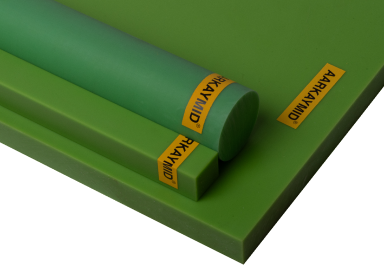 | Polyamide Green Cast Polyamide 6 (Cast Nylon 6 or PA 6) is one of the most versatile thermoplastics. View product → |
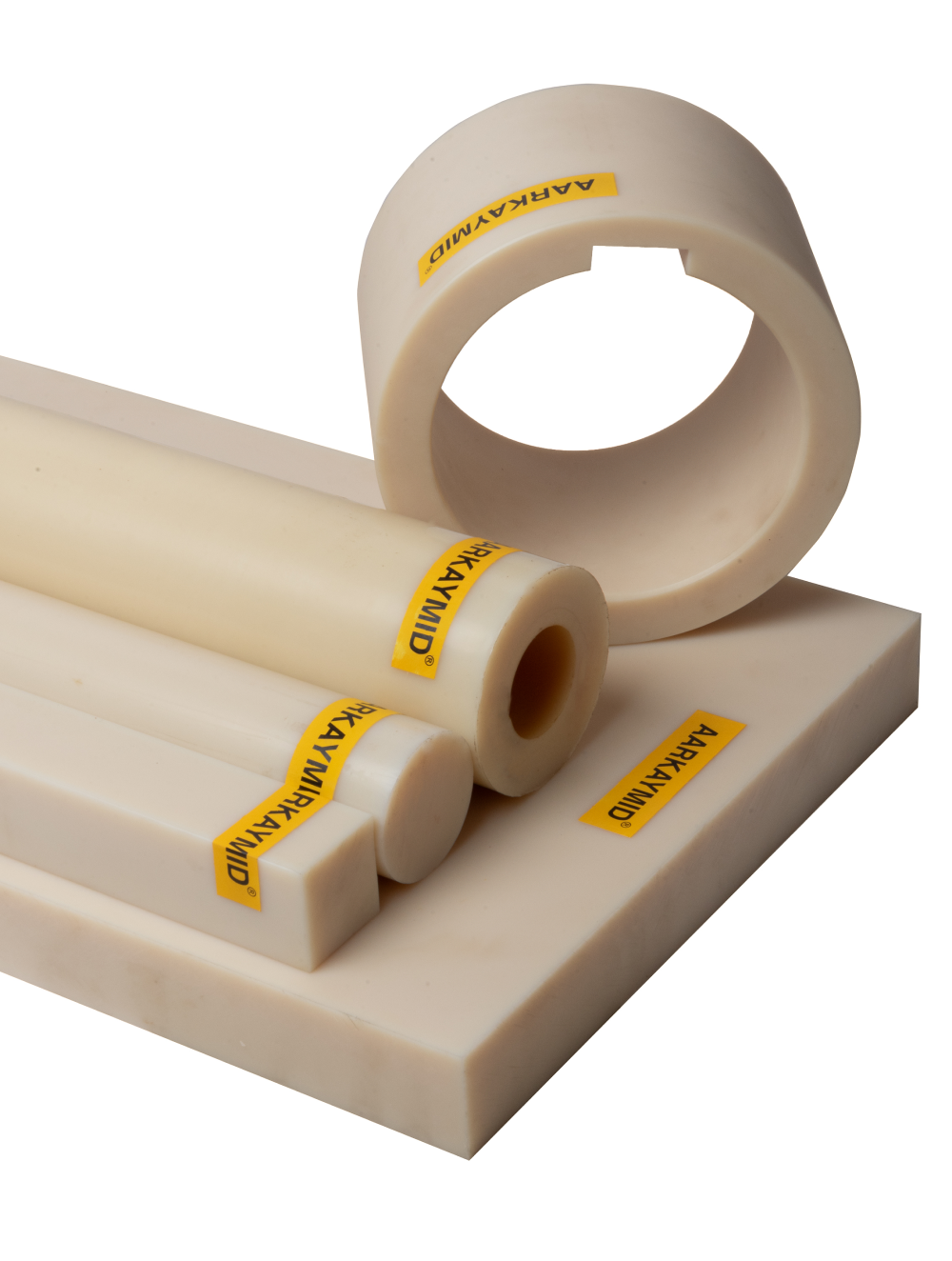 | Polyamide Natural Polyamide - Cast Polyamide Cast Polyamide 6 (Cast Nylon 6 or PA 6) is one of the most versatile thermoplastics. View product → |
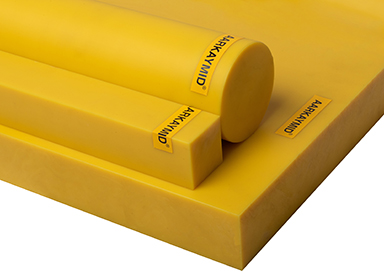 | Polyamide PA 612 Cast Polyamide 6 (Cast Nylon 6 or PA 6) is one of the most versatile thermoplastics. View product → |
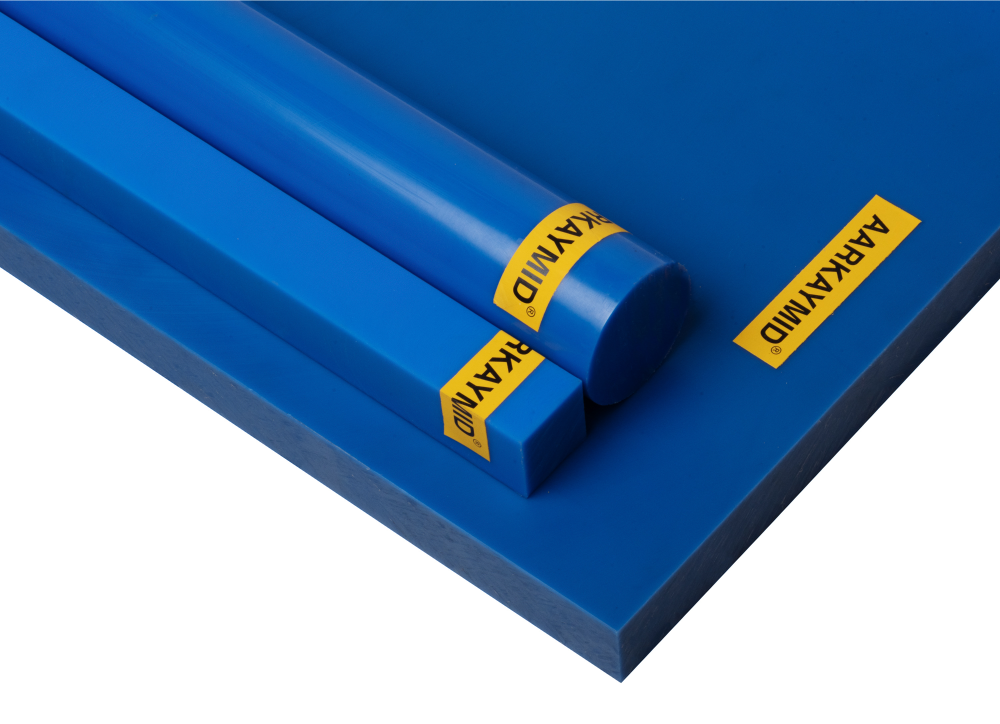 | Polyamide - Cast Heat Stabilised Grade Polyamide - Cast Heat Stabilised Grade Cast Polyamide 6 (Cast Nylon 6 or PA 6) is one of the most versatile thermoplastics. View product → |