
A polyamide tube earns its place when a system needs low weight, abrasion resistance, impact tolerance and fatigue life without the cost or mass of metal. By comparing PA 6, PA 12, PA 66 and PA 612 against pressure, moisture, temperature, flexibility and chemical demands, you can identify whether it suits your equipment and which grade deserves evaluation.
Key takeaways
- Choose polyamide tubing for low weight, abrasion resistance and repeated flexing.
- PA 612 offers a balanced choice for precision, pneumatic and humid-service tubing.
- Check inner diameter, wall thickness, ovality, pressure and bend-radius requirements.
- Qualify resin grade, moisture control, chemical compatibility and batch consistency before approval.
The applications that gain the most from polyamide tubing
Manufacturers of pneumatic and hydraulic-control systems, instrumentation, automation equipment, cable-protection assemblies, textile machinery, packaging machinery, rollers and guide assemblies gain the most from a polyamide tube. It suits jobs that need low weight, abrasion resistance, impact tolerance and repeated flexing—not simply the highest temperature rating.
The job determines which benefit matters:
| Application | Why polyamide tubing earns its place | What to verify |
|---|---|---|
| Pneumatic control lines | Light, flexible routing with resistance to vibration and abrasion | Pressure rating, bend radius and SAE J844 compliance where applicable |
| Sensor and instrumentation lines | Protects small passages and wiring while retaining manageable dimensions | Inside diameter, outside diameter and moisture-conditioned tolerances |
| Cable and wire protection | Resists rubbing, impact and repeated movement | Crush resistance, wall thickness and minimum bend radius |
| Fluid-transfer and fuel systems | Provides a lightweight conduit for selected oils, fuels, coolants or air | Exact compound, permeation, ageing and fluid-compatibility evidence |
A polyamide tube for manufacturers is valuable when installation speed and service life outweigh the need for a metal tube’s temperature capacity. Extrusion allows straight lengths or coils, while cutting, flaring and fitting support automated assembly; qualify those operations using tubing at the same moisture condition as production parts.
Do not approve a generic “engineering-grade” tube for regulated fuel, refrigerant, medical, food-contact or potable-water service. The exact grade, additives, wall construction and applicable approval must match the application.
PA 6, PA 12, PA 66 or PA 612: what changes in a tube
The polyamide for engineering plastic tube benefits depend on which compromise your tube can tolerate: stiffness, moisture sensitivity, flexibility, temperature or cost. Grade choice changes fit-up after conditioning, bend behaviour and long-term pressure performance.
| Grade | Stiffness and temperature | Moisture, stability and chemistry | Flexibility and cost |
|---|---|---|---|
| PA 6 | Medium-high stiffness; good heat capability, but continuous temperature falls with moisture, pressure and cycling | Higher moisture uptake causes greater dimensional change; good resistance to oils and fuels, weaker against strong acids | Moderate flexibility; usually the lowest-cost option |
| PA 66 | Higher stiffness and heat capability than PA 6 | Moisture uptake remains significant, so diameter and assembly force can shift; good oil and fuel resistance | Less flexible; moderate-to-high cost |
| PA 612 | High stiffness with better retention under humidity; use the supplier’s continuous rating, not melting point or heat-deflection temperature | Lower moisture uptake improves dimensional stability; strong resistance to oils, fuels and many industrial chemicals | More flexible than PA 6 or PA 66; usually costs more |
| PA 12 | Lowest moisture uptake and strong low-temperature impact performance | Excellent dimensional stability and broad chemical resistance, but lower stiffness and strength than PA 612 | Most flexible; often the highest-cost choice |
Choose PA 612 when PA 6 or PA 66 moves beyond your diameter or fit tolerance, but PA 12 gives away too much stiffness. Choose PA 12 for tight bends, cold service or maximum flexibility.
Verify whether quoted dimensions are dry, conditioned or measured at a defined relative humidity; “nominal diameter” without tolerance and moisture state is inadequate.
Why PA 612 suits precision, pneumatic and humid-service applications
PA 612 suits applications where a tube must stay dimensionally consistent while retaining flexibility, abrasion resistance and fatigue life. PA 612 engineering tube uses include:
- Pneumatic control lines and air-brake systems
- Sensor, instrumentation and fluid-transfer lines
- Cable and wire protection
- Selected automotive fuel and emission-control applications
| PA 612 | Moisture uptake and dimensional stability | Choose when tight internal diameter, external diameter or fit-up must remain stable in humidity |
|---|---|---|
| PA 6 | Higher moisture uptake; strong and economical | Choose for cost-sensitive tubing where humidity-driven dimensional change will not disrupt performance |
| PA 66 | Higher stiffness and temperature capability; higher moisture sensitivity | Choose when rigidity and heat resistance outweigh moisture-related movement |
| PA 12 | Lowest moisture uptake and high flexibility; lower stiffness | Choose when flexibility and moisture stability matter more than rigidity |
| PA 612 | Intermediate balance of stiffness, flexibility and moisture resistance | Choose when PA 12 is too soft but PA 6 or PA 66 changes size or stiffness too much after conditioning |
Lower moisture uptake justifies PA 612 over PA 6 or PA 66 when humidity, pressure cycling or tight fittings could cause leakage, excessive insertion force or sensor error. Choose it over PA 12 when you need greater stiffness and load support without accepting the moisture sensitivity of PA 6 or PA 66.
For pneumatic service, request application-specific evidence such as SAE J844 compliance where applicable. A generic PA 612 grade is not automatically qualified for fuel, refrigerant or regulated automotive service; verify permeation, ageing, weldability and the vehicle standard.
The measurements that decide whether a tube will work
A tube fails when its nominal size hides the tolerance, moisture condition or load behind the measurement. Specify the finished inside diameter, outside diameter and wall thickness, not just “standard tubing.”
- Pressure conduit: working pressure, burst pressure, pressure pulses, safety factor, fluid, exposure time and temperature.
- Vacuum line: minimum absolute pressure, vacuum duration, temperature and allowable ovality or collapse.
- Sleeve or spacer: shaft or cable diameter, clearance, cut length, squareness, compressive load and creep limit.
- Insulator: voltage, frequency, wall thickness, dielectric test requirement, tracking environment and temperature.
- Wear surface: mating material, surface roughness, contact pressure, sliding speed, particle contamination and duty cycles.
- Cable guide: cable bundle diameter, bend radius, travel length, cycle count, support spacing and required finished length.
Require tolerances for every critical dimension. A supplier such as Classic Polymers & Resins should state whether measurements were taken dry, conditioned or at a defined relative humidity; absorbed moisture changes diameter, stiffness and assembly force.
Check continuous operating temperature separately from short-term exposure. Reduce the allowable rating for moisture, pressure, cyclic loading and chemical contact; heat-deflection temperature is not a safe continuous-service limit.
For pressure service, request data from the actual diameter, wall, grade and extrusion construction, including long-term creep and ageing. For wear, test the actual counterface rather than accepting a catalogue abrasion figure. For automotive fuel, refrigerant or regulated service, verify the exact grade, permeation result and applicable vehicle standard.
Related products
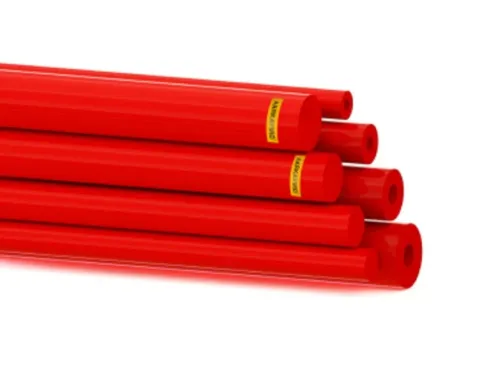
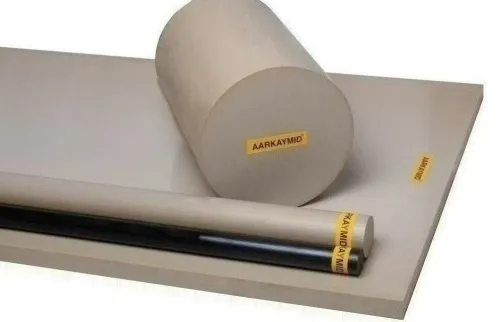
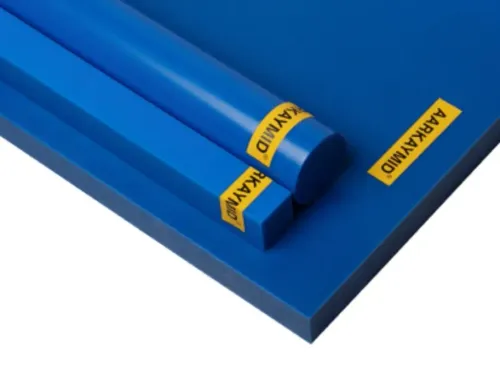
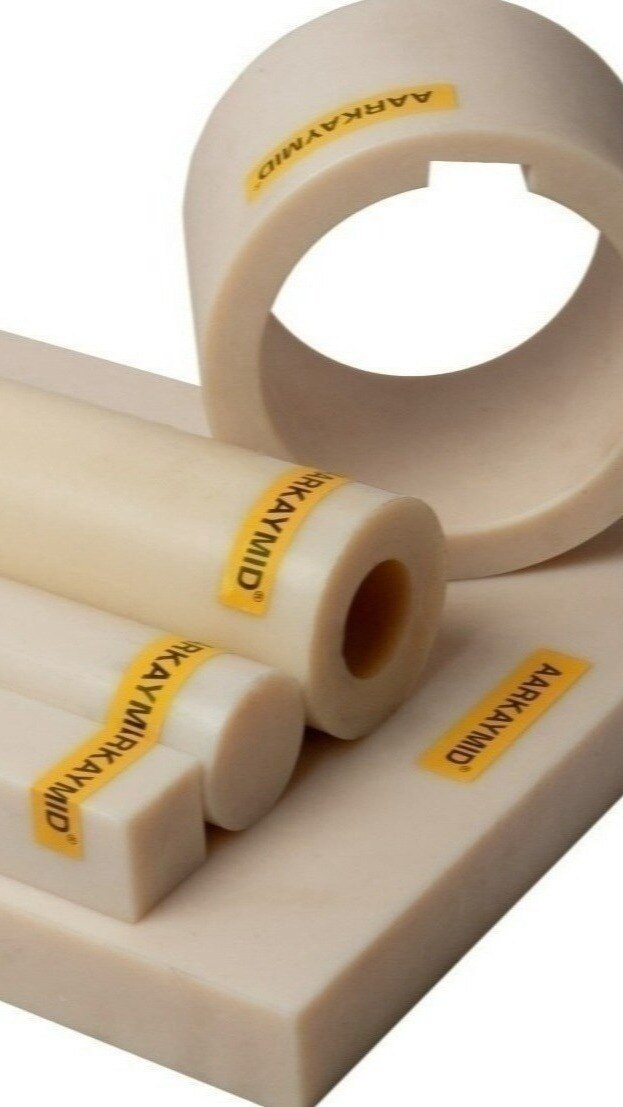
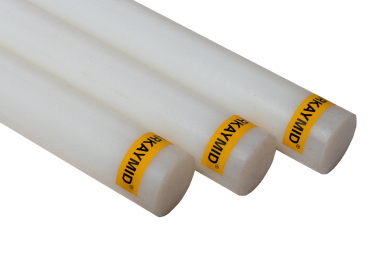 | Polyamide Extruded Extruded Polyamide / Nylon Plastic material, is available in standard stock shapes such as sheets, rods or tubes and can be machined to requirement. View product → |
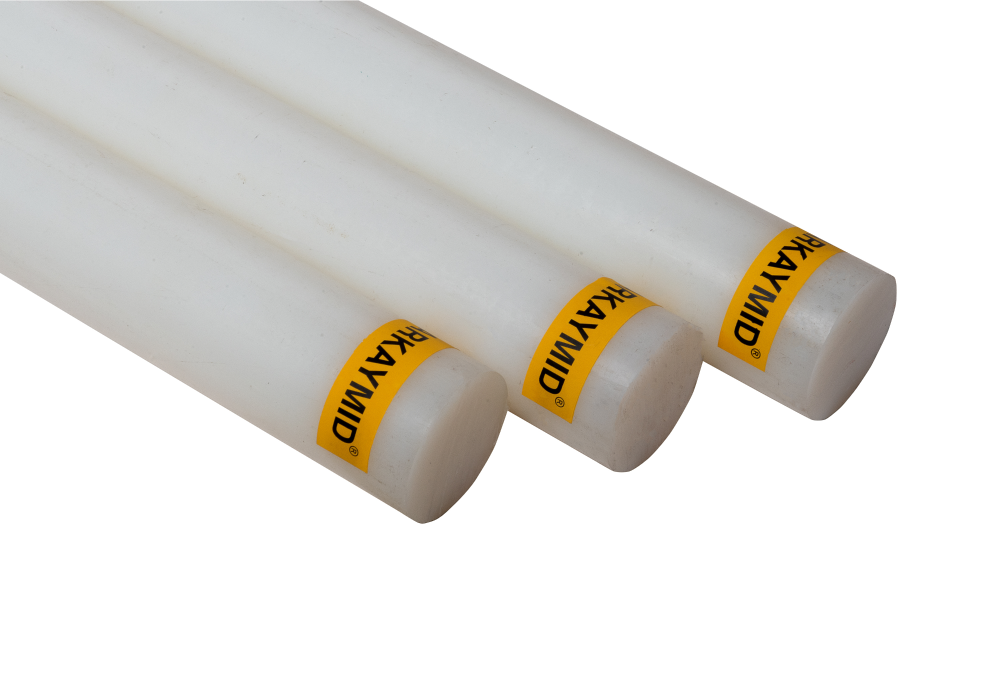 | Polyamide - Extruded Nylon PA 6 Polyamide - Extruded Nylon PA 6 Extruded Polyamide / Nylon Plastic material, is available in standard stock shapes such as sheets, rods or tubes and can be machined to requirement. |
How to qualify material, chemistry and production consistency
Approve a tube only after the polyamide tube supplier connects the exact compound and production batch to your fluid, temperature and pressure conditions.
1. Ask for the grade designation, resin manufacturer, additive package, colour, wall construction and certificate of analysis for each batch. For compressed air, request the applicable application standard, such as SAE J844, rather than an “engineering grade” claim.
2. Request compatibility evidence using your actual oil, fuel, hydraulic fluid, solvent, coolant, water or cleaning chemical. The test must record concentration, temperature, pressure and exposure duration, then measure swelling, mass change, tensile properties, cracking and leakage; immersion alone is insufficient.
3. Demand dimensional results identified as dry, conditioned or measured at a stated relative humidity. Require inside and outside diameter tolerances, ovality, wall-thickness variation, pressure rating and assembly-force data at the moisture condition you will use.
4. Request extrusion and batch-control records covering resin drying, extrusion temperature, calibration, cooling, post-processing, residual stress checks and lot traceability. These controls reveal whether a tube will hold its dimensions and seal consistently in push-to-connect fittings.
Treat food-contact, potable-water, medical, flame-retardant and electrical claims separately. Require the exact approval or test standard for the finished compound and construction; natural-colour polyamide alone proves none of them. Reject unsupported claims, especially where strong acids, strong bases, oxidizers, polar solvents or hot water are involved.
Frequently asked questions
Which applications benefit most from polyamide engineering tubes?
Pneumatic and hydraulic-control systems, instrumentation, automation equipment, cable protection, textile machinery, packaging machinery, rollers and guide assemblies benefit when low weight, abrasion resistance, impact tolerance and repeated flexing matter.
What changes between PA 6, PA 12, PA 66 and PA 612 tubes?
The grades differ in moisture uptake, stiffness, temperature capability, chemical resistance, impact behaviour and dimensional stability. Compare those properties against the service environment rather than choosing by grade name alone.
Why is PA 612 suitable for precision, pneumatic and humid-service applications?
PA 612 provides a useful balance of dimensional stability, flexibility, low moisture sensitivity, abrasion resistance and chemical performance, making it suitable when tube dimensions and repeated movement must remain consistent.
Which measurements decide whether a polyamide tube will work?
Check inside diameter, outside diameter, wall thickness, ovality, length tolerance, pressure rating at operating temperature, minimum bend radius and connection compatibility. Verify measurements on the delivered tube, not only on a drawing.
How do you qualify polyamide tube material and production consistency?
Request the resin grade, reinforcement or additive details, lot identification, dimensional inspection results, pressure-test method, chemical-compatibility evidence and certificates of conformity. Compare samples from multiple production lots before release.
Related products
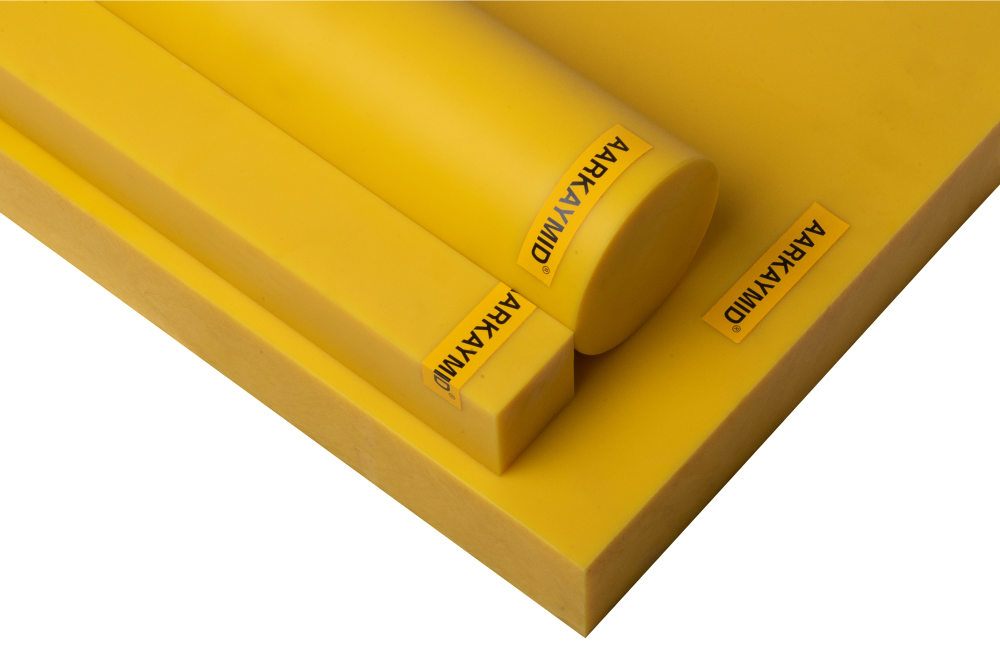 | Polyamide PA 612 Cast Polyamide 6 (Cast Nylon 6 or PA 6) is one of the most versatile thermoplastics. View product → |
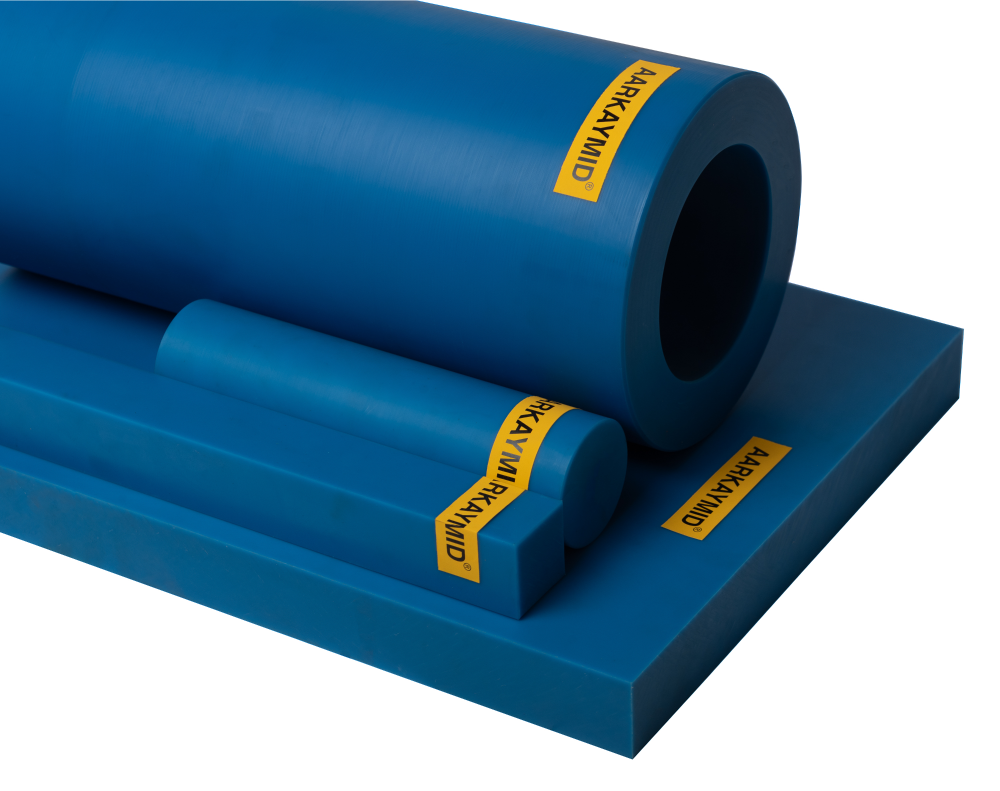 | Polyamide - XLU Cast Polyamide 6 (Cast Nylon 6 or PA 6) is one of the most versatile thermoplastics. View product → |
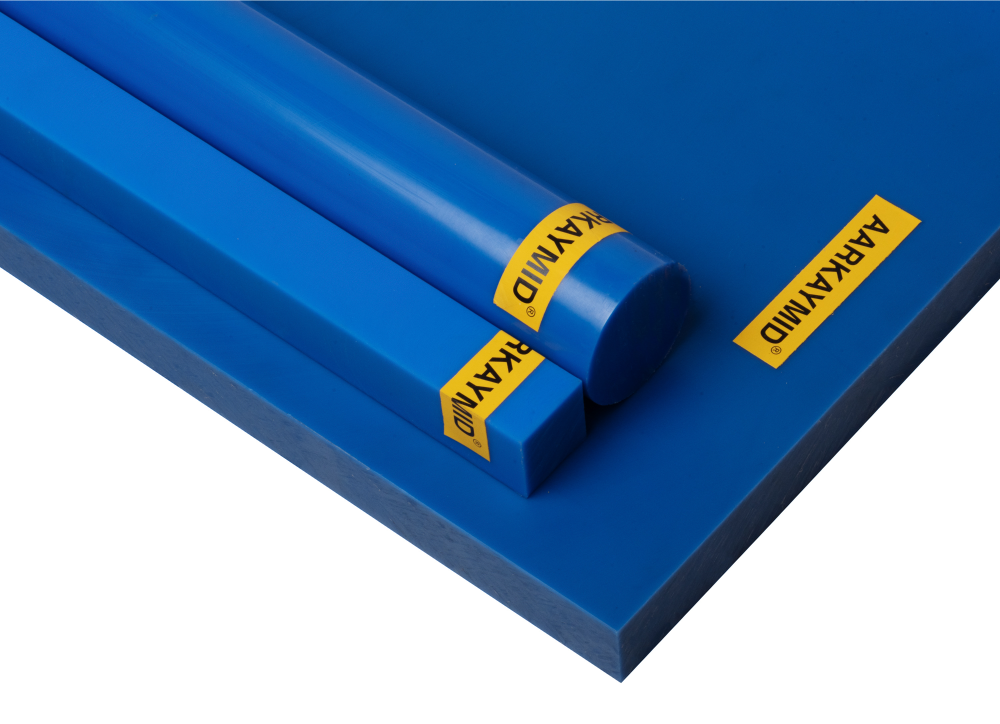 | Polyamide - Cast Heat Stabilised Grade Polyamide - Cast Heat Stabilised Grade Cast Polyamide 6 (Cast Nylon 6 or PA 6) is one of the most versatile thermoplastics. View product → |