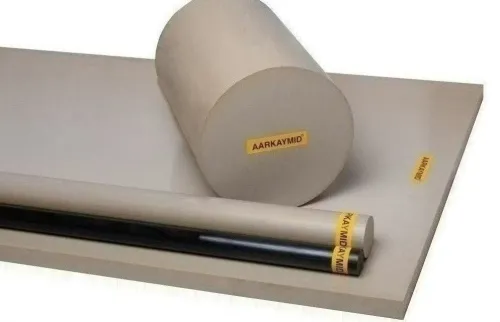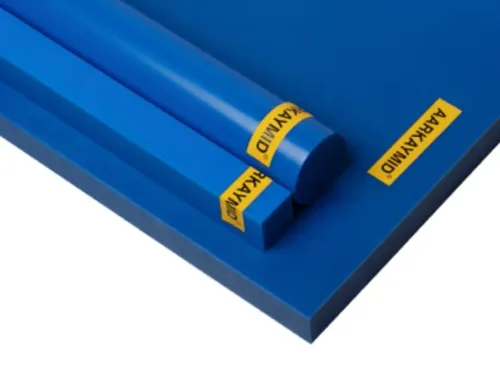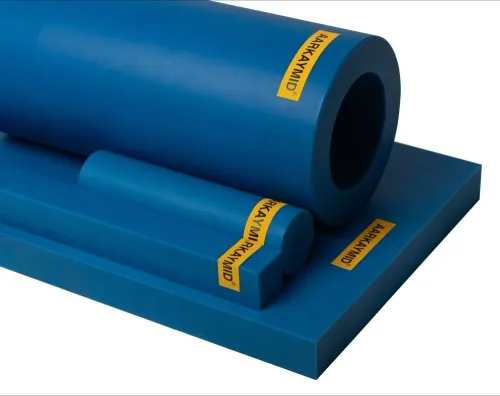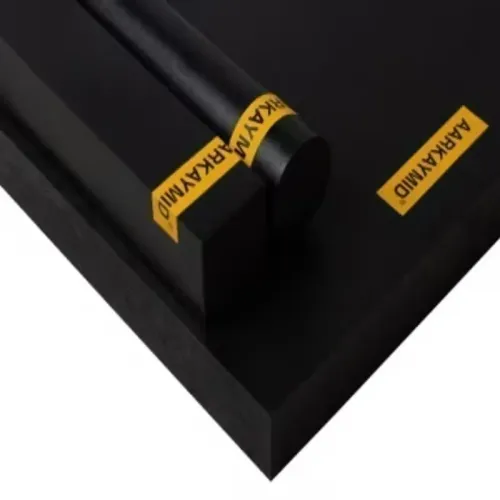

PTFE is frequently selected for its low-friction behaviour and resistance to many chemicals, but finished-component performance also depends on pressure, temperature, loading and geometry.
A PTFE Rod can be machined into seals, bushes, rings, spacers and other engineered parts where friction reduction or chemical resistance is important. The material is particularly relevant when these properties are more important than high structural rigidity.
The application's mechanical conditions need equal attention. Sustained compression or loading can result in creep, so component support and geometry should be considered during design. A static seal and a moving bush, for example, impose different demands even when both are made from PTFE.
Chemical exposure should also be defined accurately. The process medium, concentration where known, operating temperature and exposure duration provide a more useful basis for evaluation than simply stating that the part will be used in a chemical environment.
For industrial buyers in Mumbai, drawings should accompany procurement requests whenever possible. They can clarify bore dimensions, wall thickness, tolerances and other characteristics that affect the finished component.
Where mechanical strength or dimensional rigidity is the dominant requirement, another engineering polymer may be more appropriate. Material selection should therefore be based on the application's most important performance requirements rather than PTFE's best-known property alone.
A balanced evaluation helps ensure that low friction and chemical resistance are achieved without overlooking mechanical limitations.
For engineered PTFE requirements in Mumbai, provide the component design and service conditions to Classic Polymers & Resins for application-specific guidance.