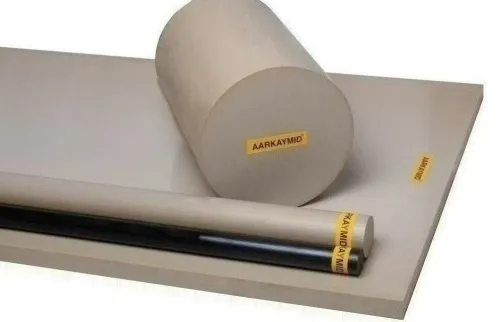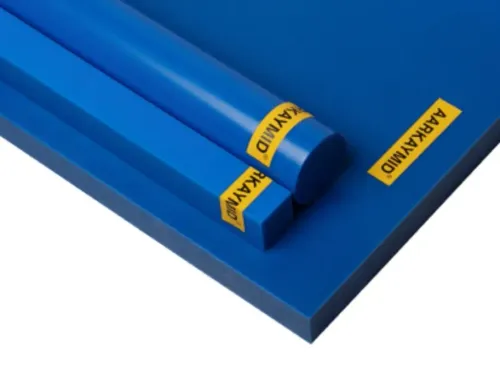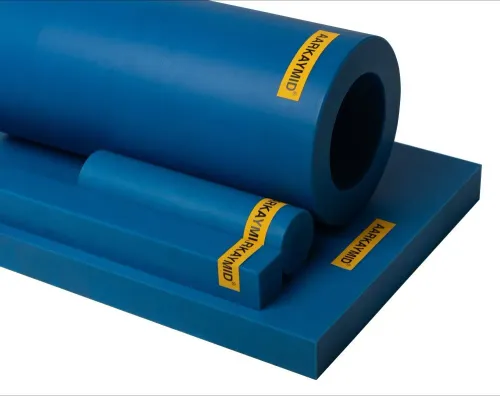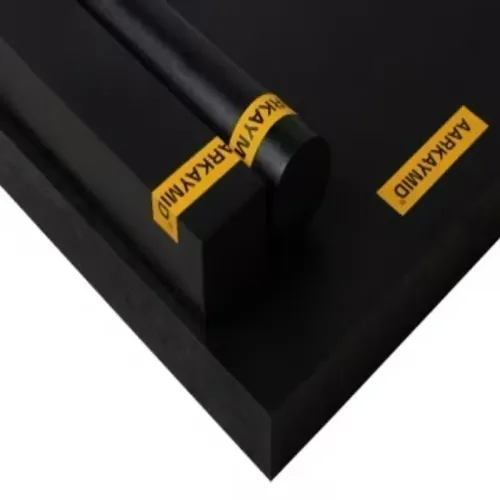

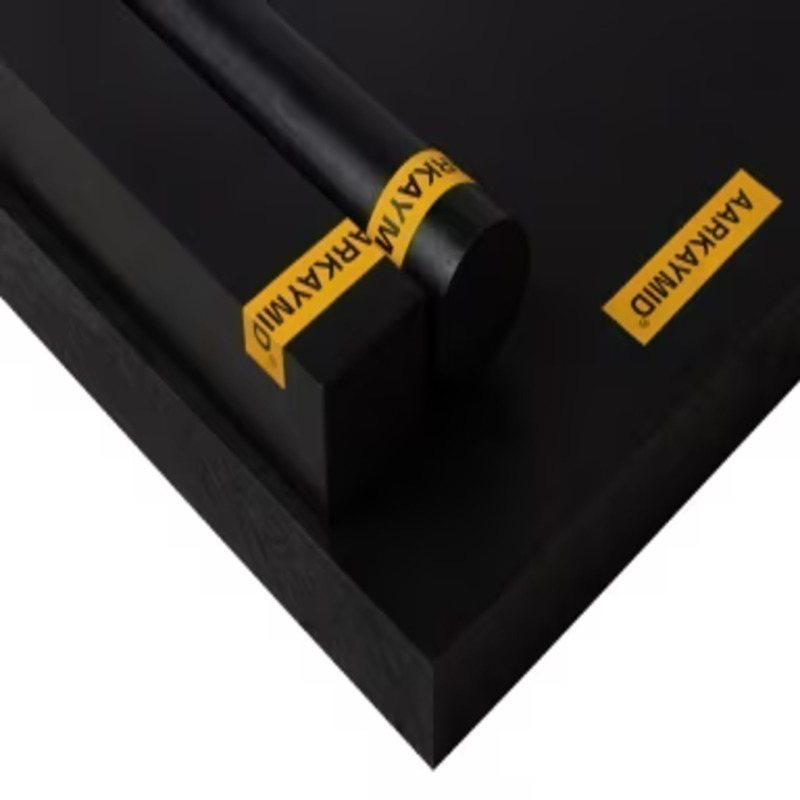
Wear problems are often caused by the interaction between a surface and the material moving across it. UHMWPE sheet can be considered where low friction and abrasion resistance are central to the application.
The value of UHMWPE Sheet depends on the actual wear mechanism. It may be suitable for selected liners, guides, wear surfaces and material-flow applications where repeated sliding or abrasive contact can degrade conventional surfaces.
Before specifying the sheet, engineers should determine whether abrasion, impact, friction or material adhesion is the dominant problem. A liner handling fine abrasive particles can face different conditions from one exposed mainly to impact or intermittent sliding.
Mounting is another important consideration. Sheet thickness, support, fastening method and replacement access can affect practical performance. A technically appropriate material can still create maintenance difficulties if the installation arrangement has not been considered.
For plant engineering and maintenance teams in Mumbai, procurement specifications should ideally include sheet dimensions, thickness, operating temperature, handled material and mounting method. If the sheet is replacing an existing liner, information about the previous failure mode can help establish what the replacement needs to improve.
UHMWPE can offer useful weight and friction advantages, but it should not automatically replace metal in applications where high structural rigidity or elevated-temperature performance is required.
Starting with the wear mechanism makes material selection more defensible and can reduce unnecessary trial and replacement cycles.
For wear-control applications in Mumbai, discuss the service conditions and installation requirements with Classic Polymers & Resins before finalising the sheet specification.