
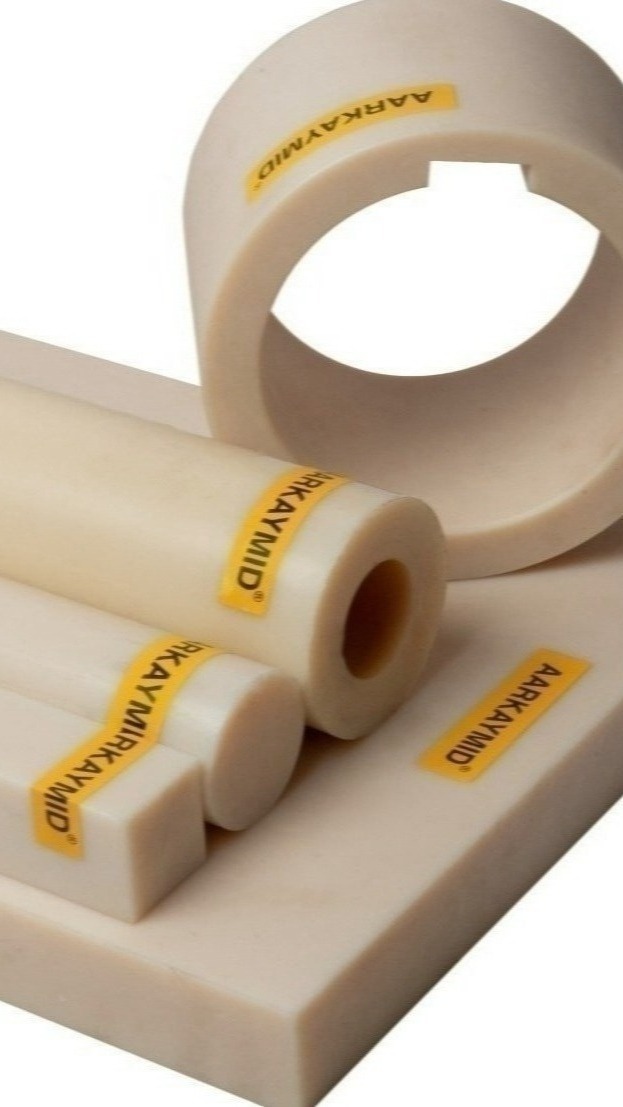
Engineering polymer sourcing becomes more effective when design requirements and procurement specifications are developed together. This is especially important when components are custom-machined from rods or sheets.
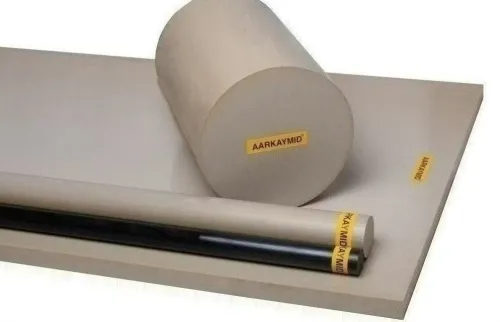
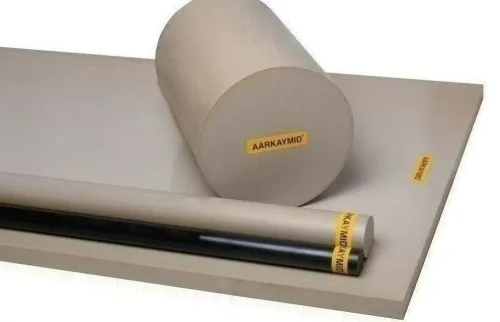
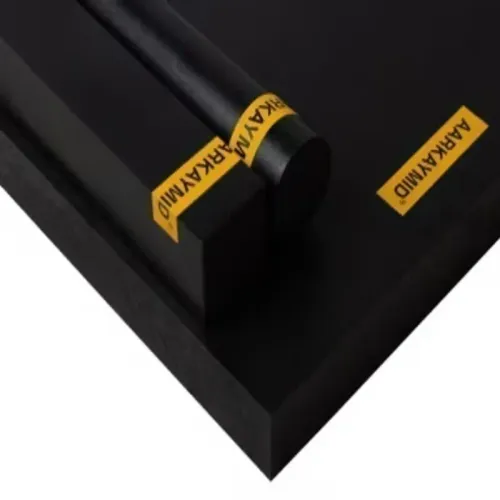
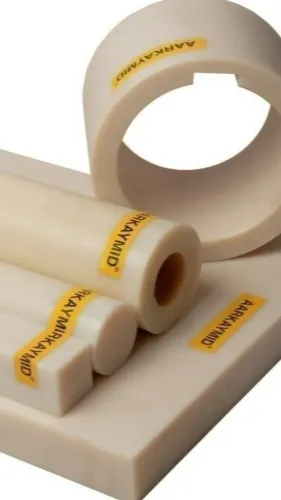
When evaluating Engineering Plastic Components, teams should consider component function, material properties, dimensions, tolerances, operating conditions and manufacturing requirements. A part intended for sliding contact may need different properties from a stationary spacer or insulating component.
The material family should be selected according to the application's priorities. PEEK may be evaluated for demanding environments, POM for selected precision moving parts, nylon and cast nylon for suitable mechanical applications, while PTFE, PVDF and UHMWPE may offer advantages in particular chemical, friction or wear-related conditions.
For manufacturers in Navi Mumbai, technical drawings can reduce ambiguity during procurement by defining geometry and tolerances. Operating temperature, load, movement, chemical exposure and mating materials can provide the additional context required for material evaluation.
Supplier comparisons should not be based solely on material price. Technical suitability, dimensional consistency, lead-time expectations, documentation and the ability to reproduce a defined specification can all influence the total procurement decision.
Substitution should similarly be treated as an engineering decision. An alternative polymer should be assessed against the critical properties of the original requirement before being accepted.
A coordinated engineering and procurement process can reduce specification gaps and avoid unnecessary material changes after production begins.
For custom engineering plastic requirements in Navi Mumbai, share your drawings and procurement specifications with Classic Polymers & Resins for a structured sourcing discussion.