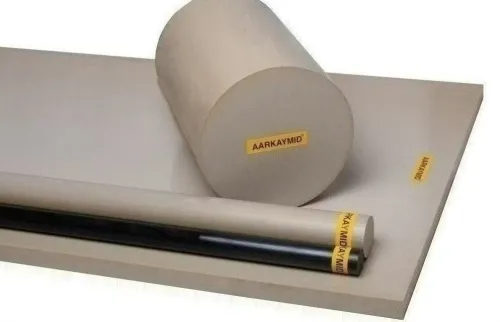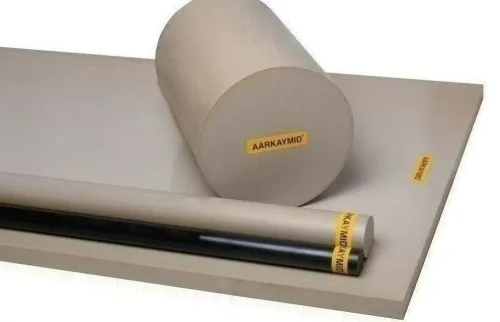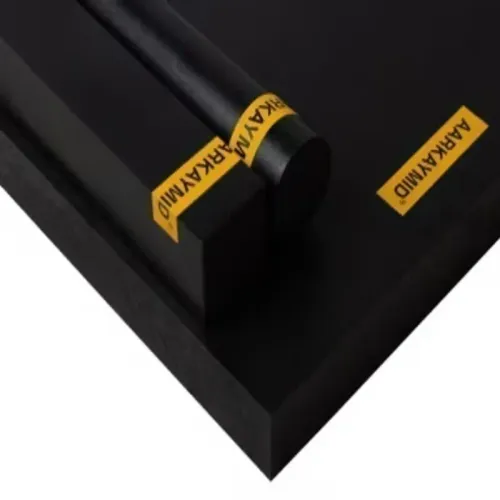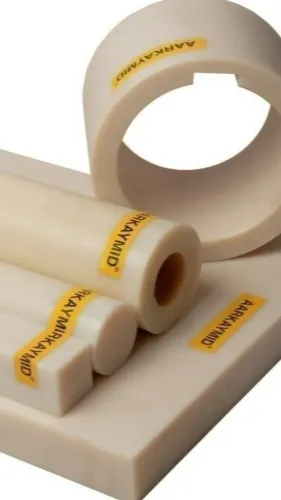

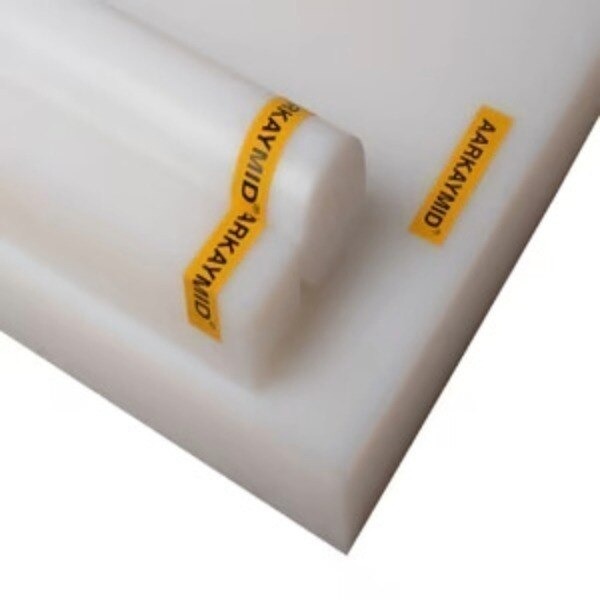
Precision mechanisms often depend on controlled friction, predictable movement and appropriate dimensional behaviour. POM can be considered where these characteristics are important.
The selection of POM Components varies according to the part's function. Gears, bushes, rollers, guides and spacers can impose different requirements despite being produced from the same polymer family.
Gears may need evaluation of speed, tooth loading and wear, while guides may place greater emphasis on sliding behaviour and dimensional control. Bushes can involve contact pressure and interaction with the mating shaft.
POM's combination of stiffness, machinability and friction behaviour can make it useful for selected precision mechanical parts. However, engineers should still consider temperature, loading and environmental conditions before finalising the material.
For machinery manufacturers and engineering teams in Navi Mumbai, component drawings can clarify geometry, tolerances and machining requirements. Information about speed, load, temperature and mating materials can then provide the service context.
Other engineering polymers may offer advantages when the application involves unusual chemical exposure, temperature or friction requirements. Material comparison should therefore focus on the properties that are essential to the specific component.
A precision part should ultimately be specified around what it needs to accomplish in the assembly, not simply around the material most commonly associated with that part type.
For precision movement applications in Navi Mumbai, discuss the component function and operating parameters with Classic Polymers & Resins for a focused material assessment.